Life-history data
- Laying container
- 32 US fl oz (about 950 mL) per female
- Substrate depth
- About three-quarters of the container
- Egg checks
- Monthly in Alan’s colony
Eggs
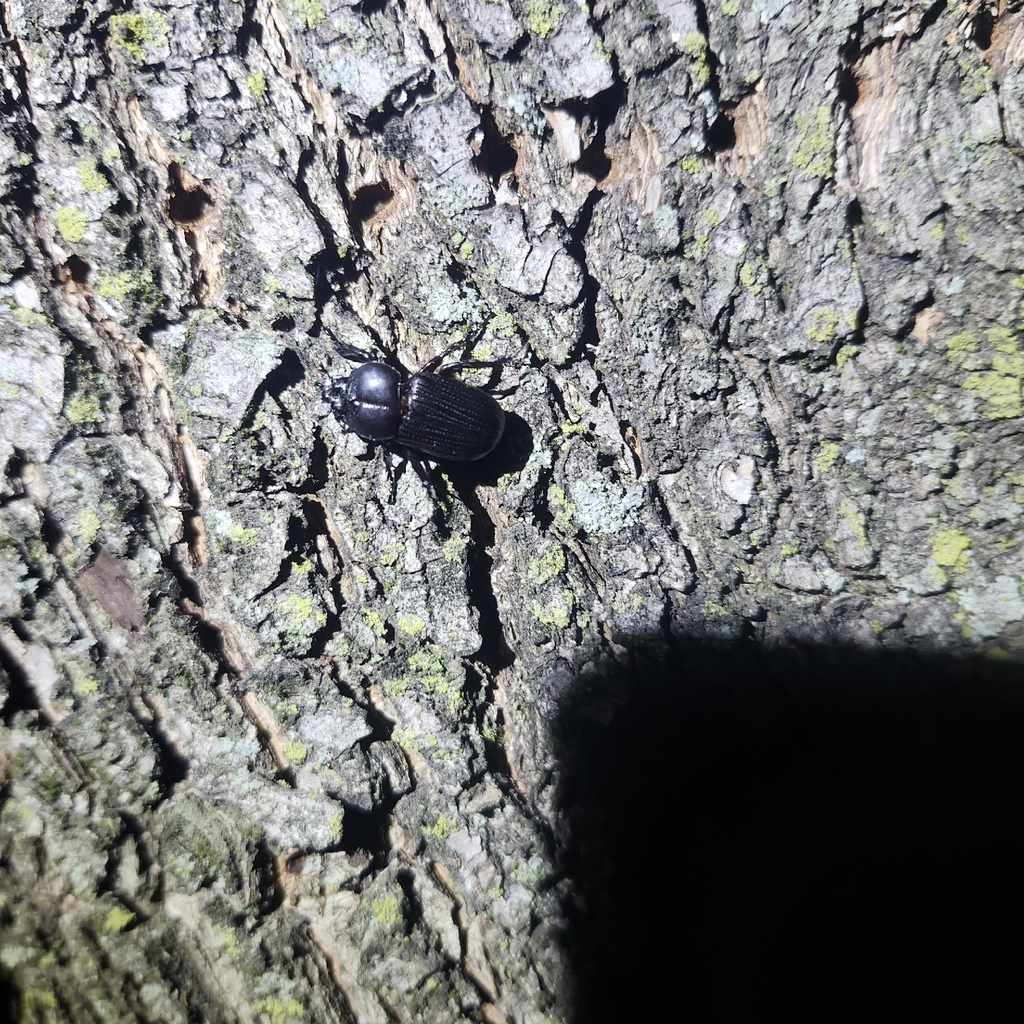
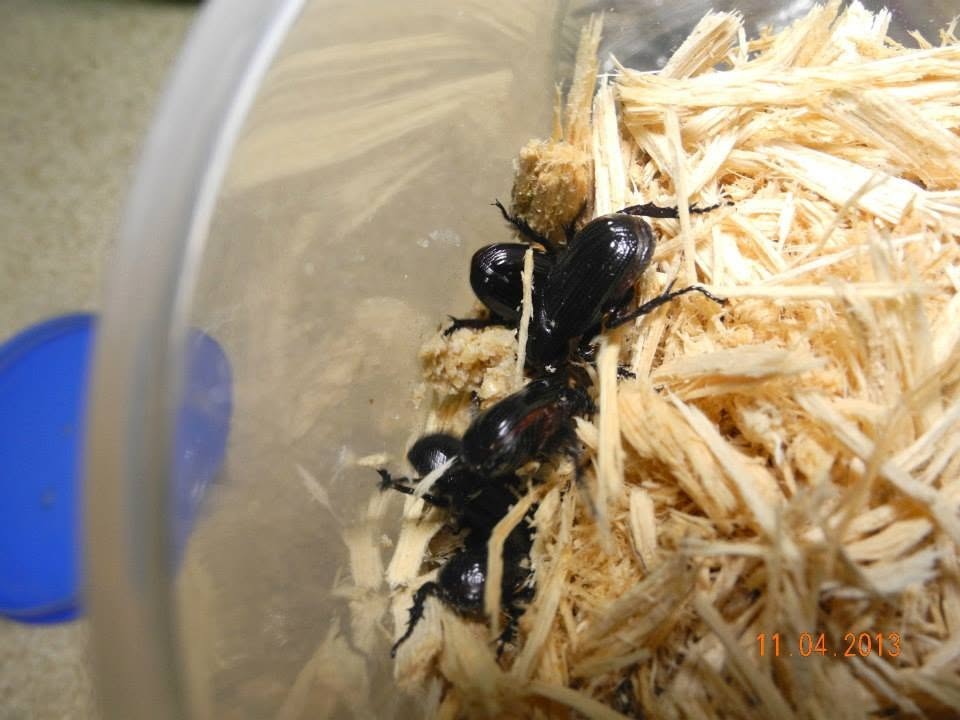
I give each female a 32 oz (about 950 mL) container and fill it about three-quarters full with substrate. I check roughly once a month and move the eggs I find to a larger container. Keeping each female in her own laying cup lets me follow her output across successive checks. High in a tree one summer I found a pair with first-instar larvae. I have also seen remains in pieces that fell out of the canopy.
Adults
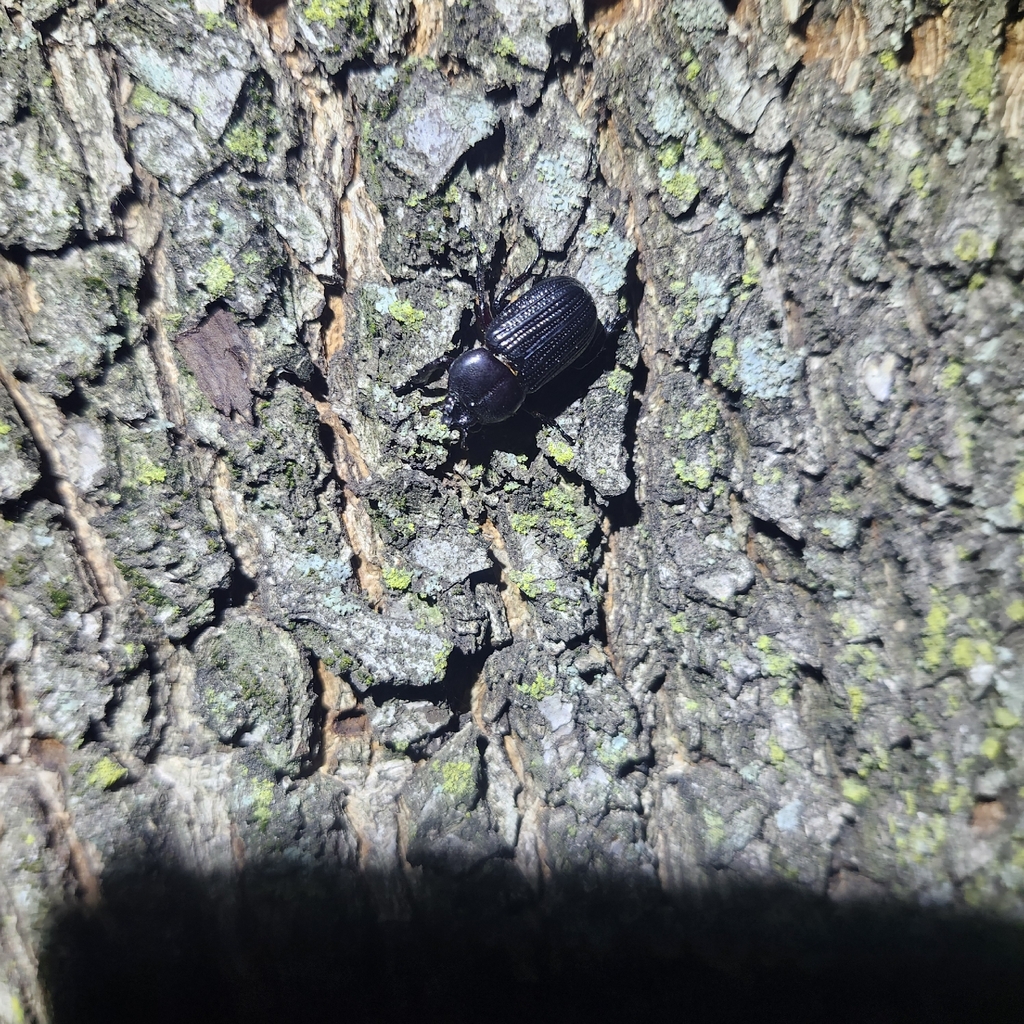
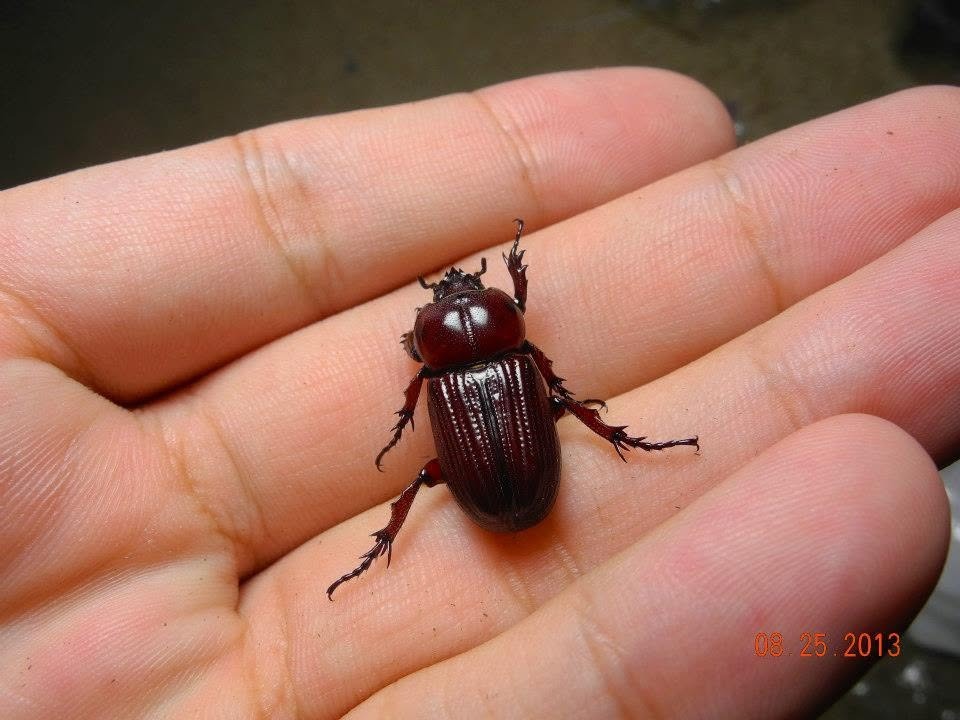
My adults eat dog food, and I photographed one feeding. The last adult of my 2013 series emerged in autumn.
Sexing adults and pupae
In adults, examine the last plate on the underside of the abdomen. Alan Jeon found a similar difference to the one Junkai photographed in Phileurus truncatus, but had few males for comparison. Use the shorter male and more rounded female plate in the linked photographs as a provisional comparison for Phileurus valgus. An individually housed adult that lays eggs can be recorded as female.
Pupae have a separately documented character at the ventral tip of the abdomen. In a male, the genital swelling bears a U-shaped hardened structure at its base. In a female, the genital opening is W-shaped. Figures 13 and 14 of Ibarra-Polesel and colleagues (2017) illustrate these structures in the same orientation.
Pupation
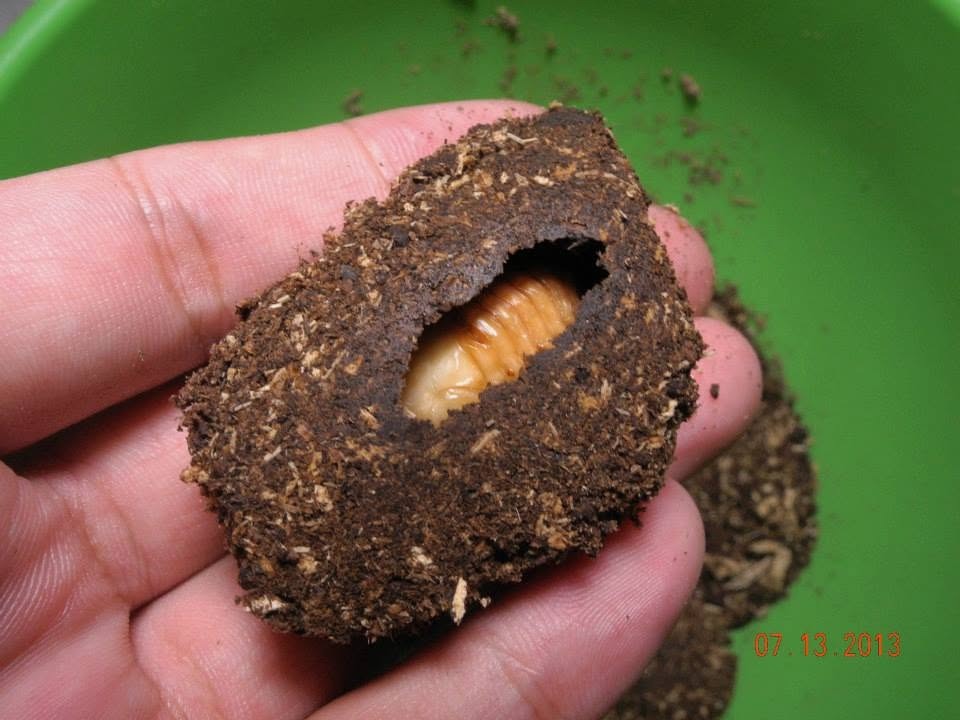
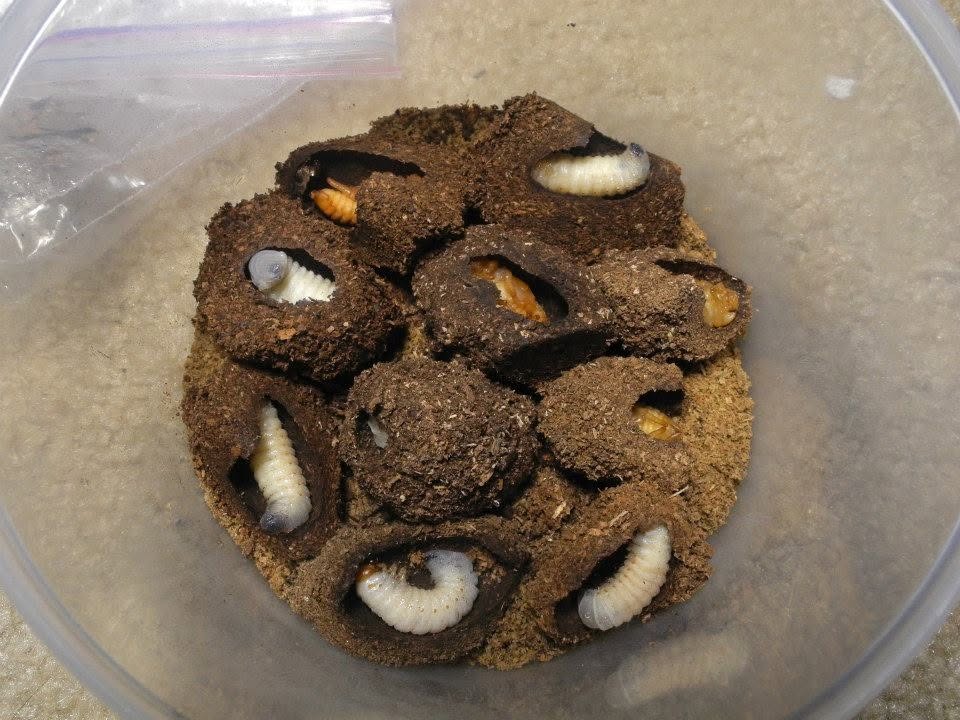
A study by Ibarra-Polesel and colleagues measured development in a separate population from northeastern Argentina. Before pupation the mature grub built a cell from wood particles and its own droppings. Under their laboratory conditions the third instar lasted 38–42 days, the prepupal period 6–9 days and the pupal stage 11–13 days. Seven adults lived about three months. I would leave any intact cell in place when checking the box. These figures describe a particular rearing series and give a point of comparison for a North American brood.
Photographs
Prepupae and pupae
Adults
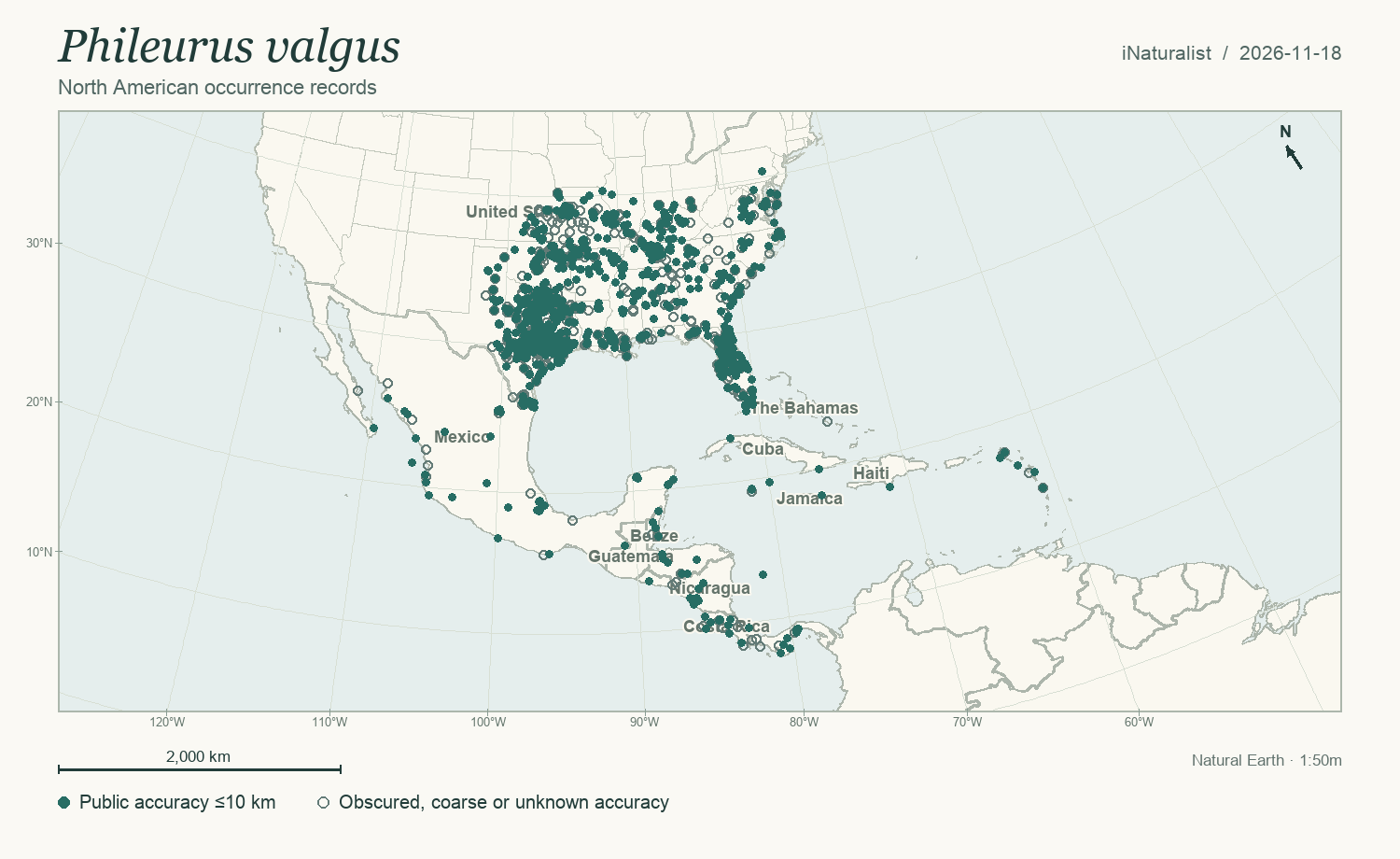
Distribution records