Life-history data
- Our stock
- Larvae in March 2022, new adult in July 2024
- Successful substrate
- About 3 in (7.5 cm) of ReptiSoil mixed with excavator clay
- Food to try
- Wheat, hulless oats or rye
- Pupation site
- An earthen cell below the surface
Substrate
Alan’s account from July 2024: I received fresh stock earlier that year and set it up in a gasket-sealed tub. I mixed ReptiSoil with excavator clay and gave the beetles about three inches (7.5 cm) of this mixture. I did not add rotten wood. On July 10 I saw the first adult from that group. This is the setup I would start with for another batch of pie-dish larvae.
Adults
I would give the adults cover they can walk under and a bed of diggable soil deep enough for the larvae to disappear into it. My Eleodes hispilabris setup offers one way to arrange a darkling enclosure. For pie-dish beetles I would leave a slightly damp area below the surface so a full-grown larva can form a cell that holds its shape. I would keep the feeding area accessible for checks without turning over the whole enclosure.
Larvae
Wheat, hulless oats and rye are useful foods to start with. Both adults and larvae accepted seeds in laboratory feeding trials. I would offer a small amount at a recognizable spot and check the grains as well as the soil beneath them. A larva can eat into a seed from below while leaving little sign at the surface.
Pupation
Once I have larger larvae, I would leave part of the bed undisturbed and check through the side of the container. The finished cell is fragile, so I would wait for the adult to leave it before moving the beetle. In Kansas both larvae and adults have been found overwintering. My March 2022 larvae establish which stage I had that spring, but the interval after my December account is not a measured egg-to-larva time.
Photographs
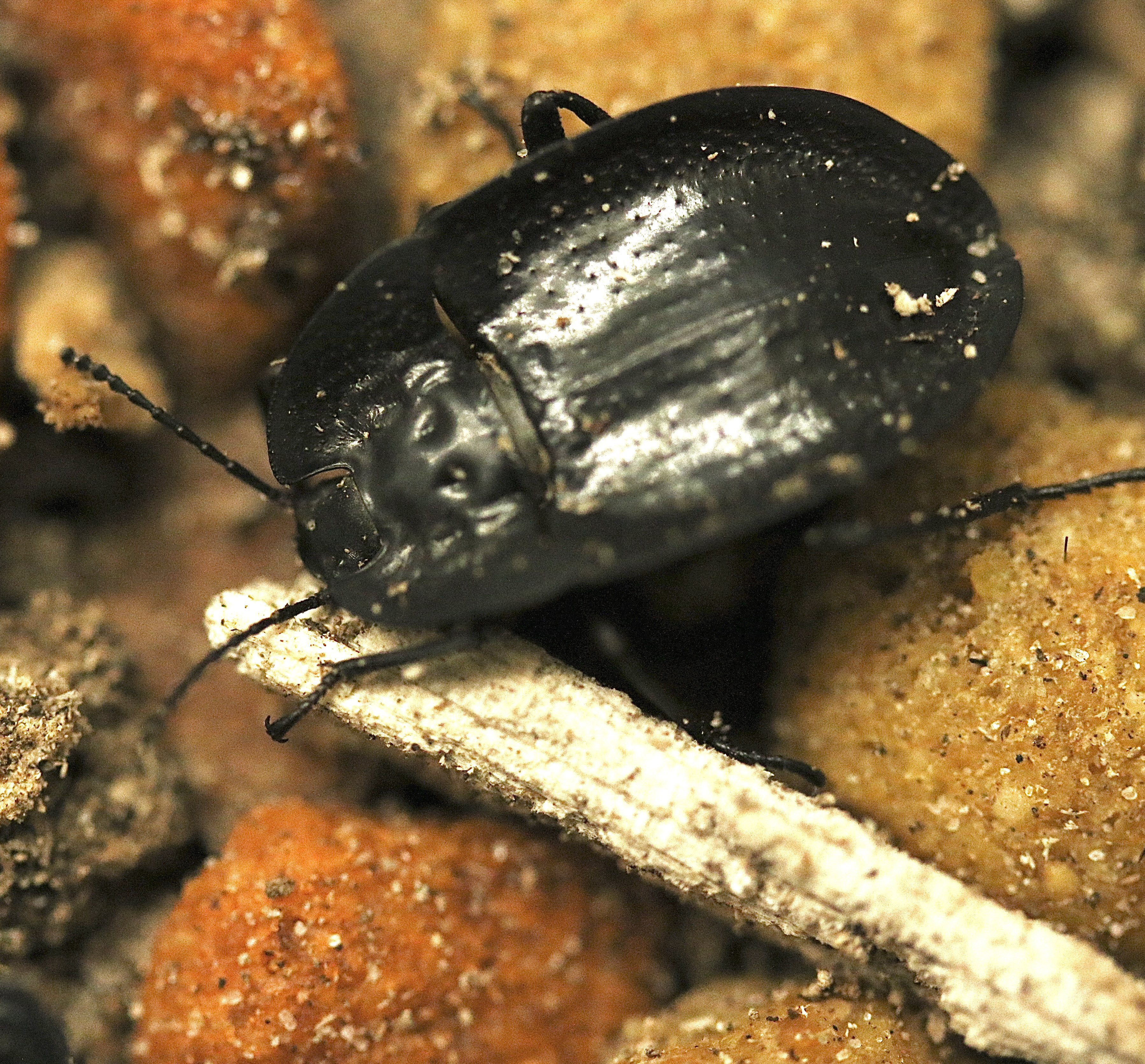
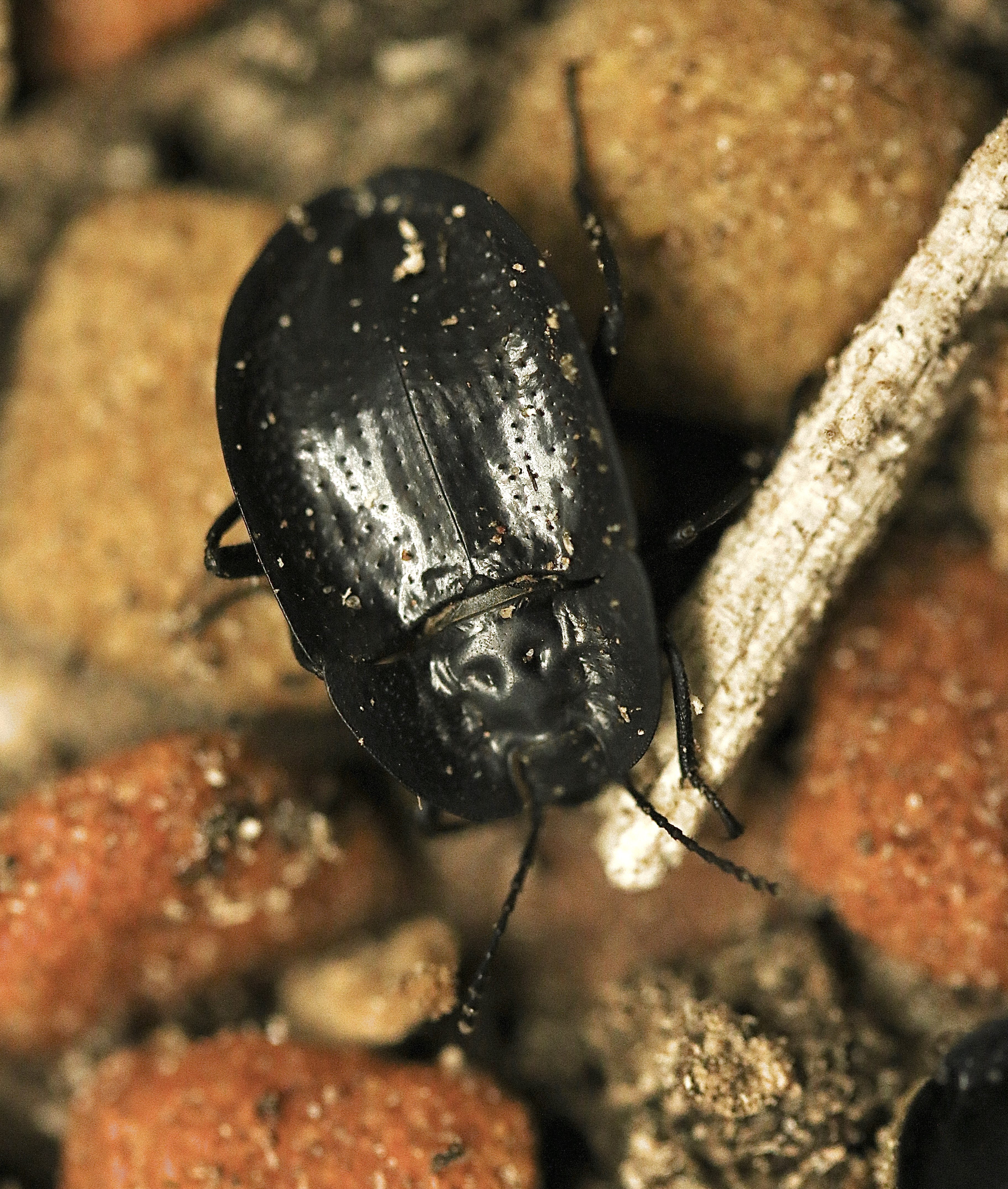
Adults
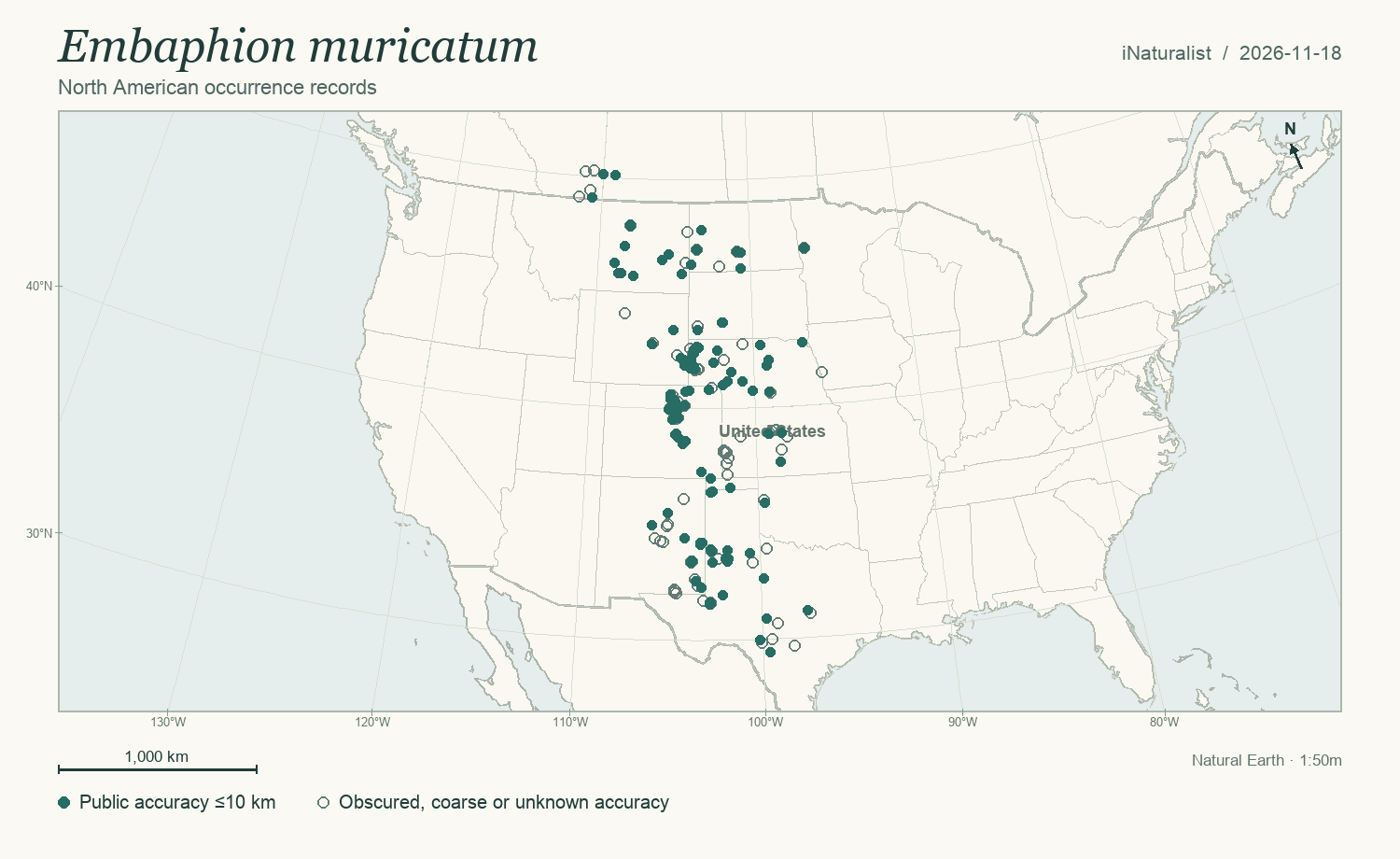
Distribution records