Life-history data
- Range
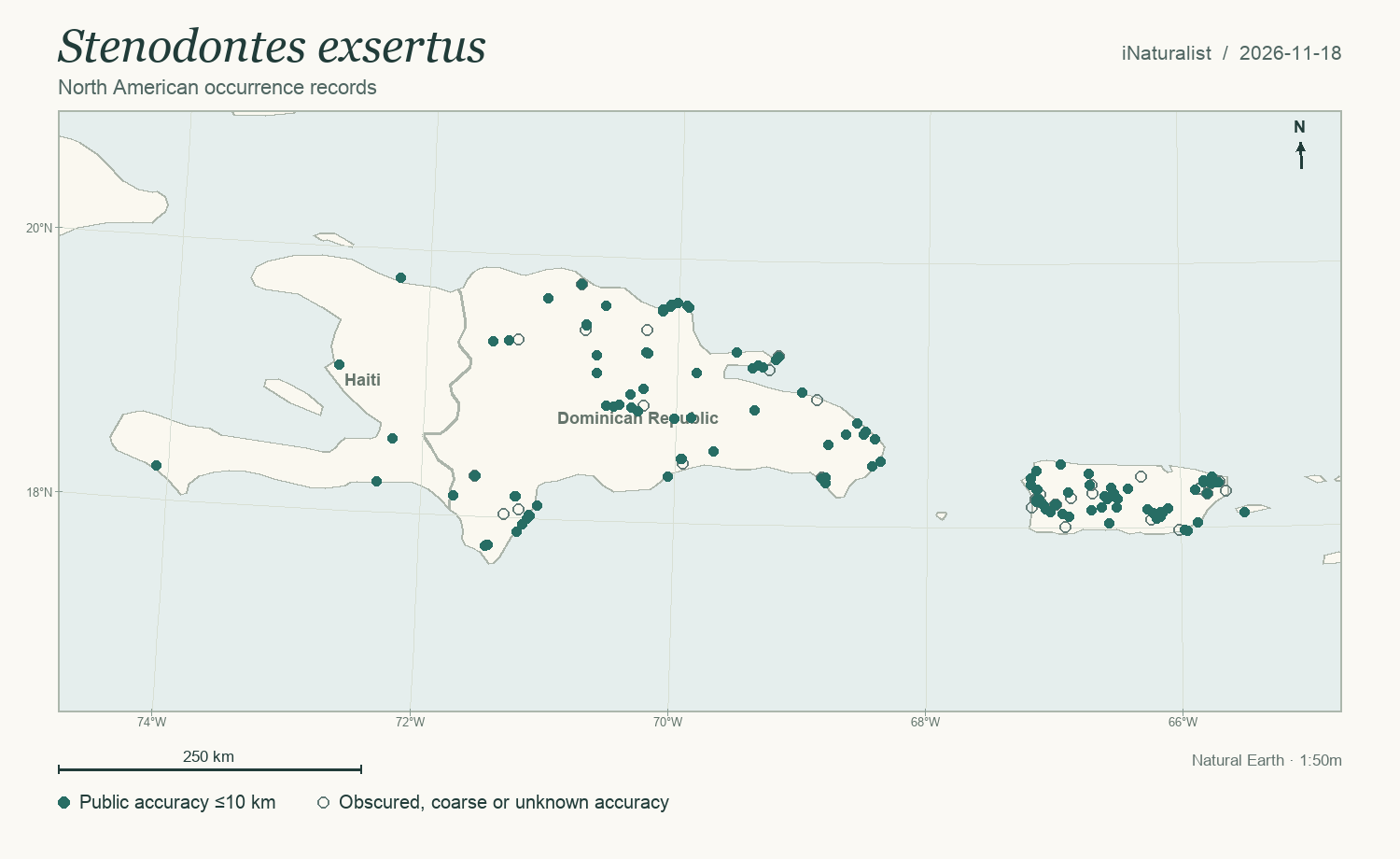
- Puerto Rico and Hispaniola
- Laying setup
- About 2 inches (5 cm) of nearly dry sawdust, with bark on top
- Larval foods tried
- Sawdust and fungus-colonized wood substrate (kinshi)
- Larvae rehoused
- At least 36 by February 23, 2026
Eggs
I put about 2 inches (5 cm) of sawdust in the breeding container and lay pieces of bark on the surface. The sawdust I use is very nearly bone dry. In a damp laying bed the eggs have molded and rotted, and young larvae have also rotted. For that reason I avoid using moist flake soil or white-rotten wood as the laying bed for my Puerto Rican stock. The bark gives the adult cover without having to wet the whole bed.
Larvae
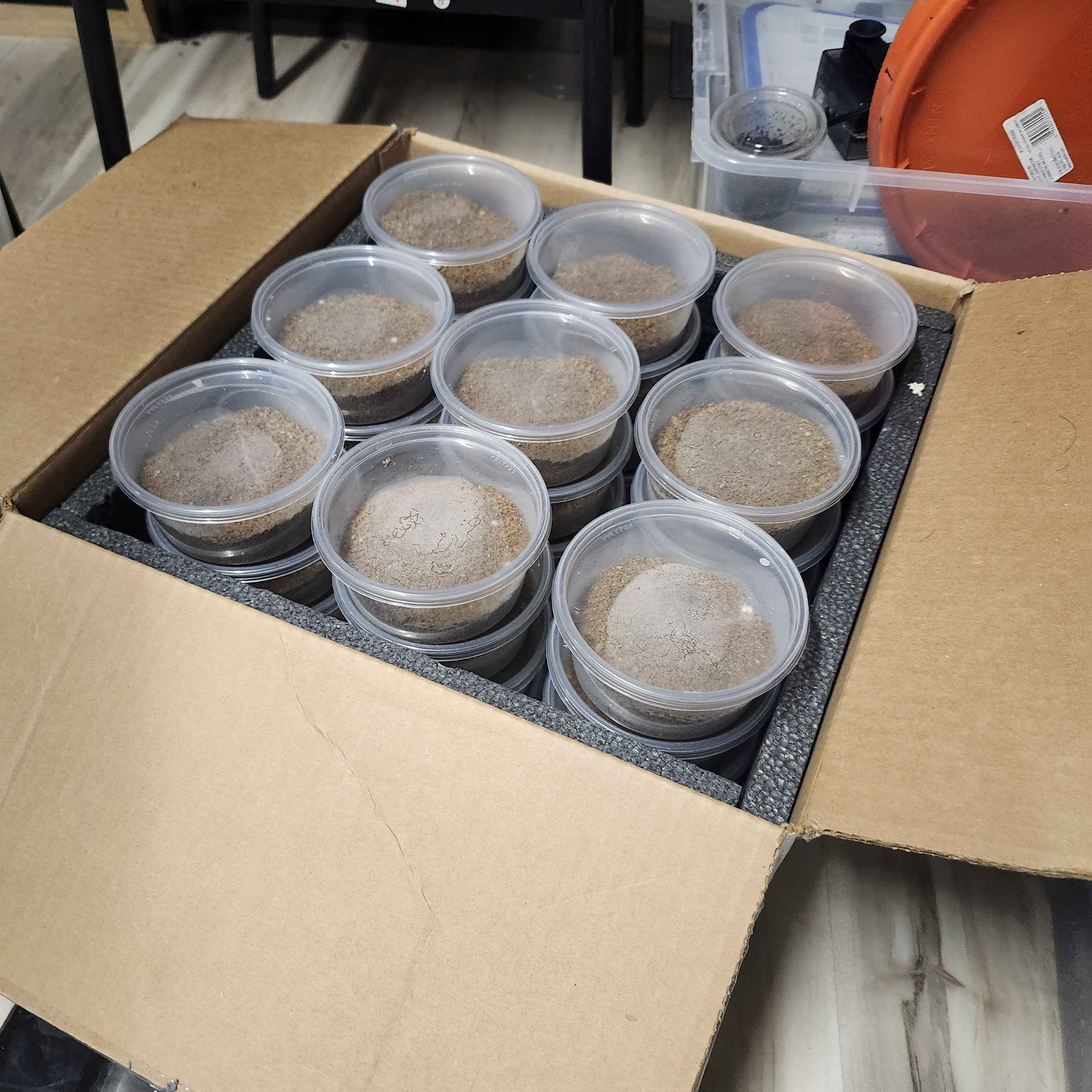
I can rear the larvae in the same sort of sawdust. By February 23, 2026, I had rehoused 36 of them and was still working through the group. That is a count of the larvae I moved that day. In late March the young larvae I had available measured about 7–10 mm. They are small enough at that stage that it is worth taking the sawdust apart carefully.
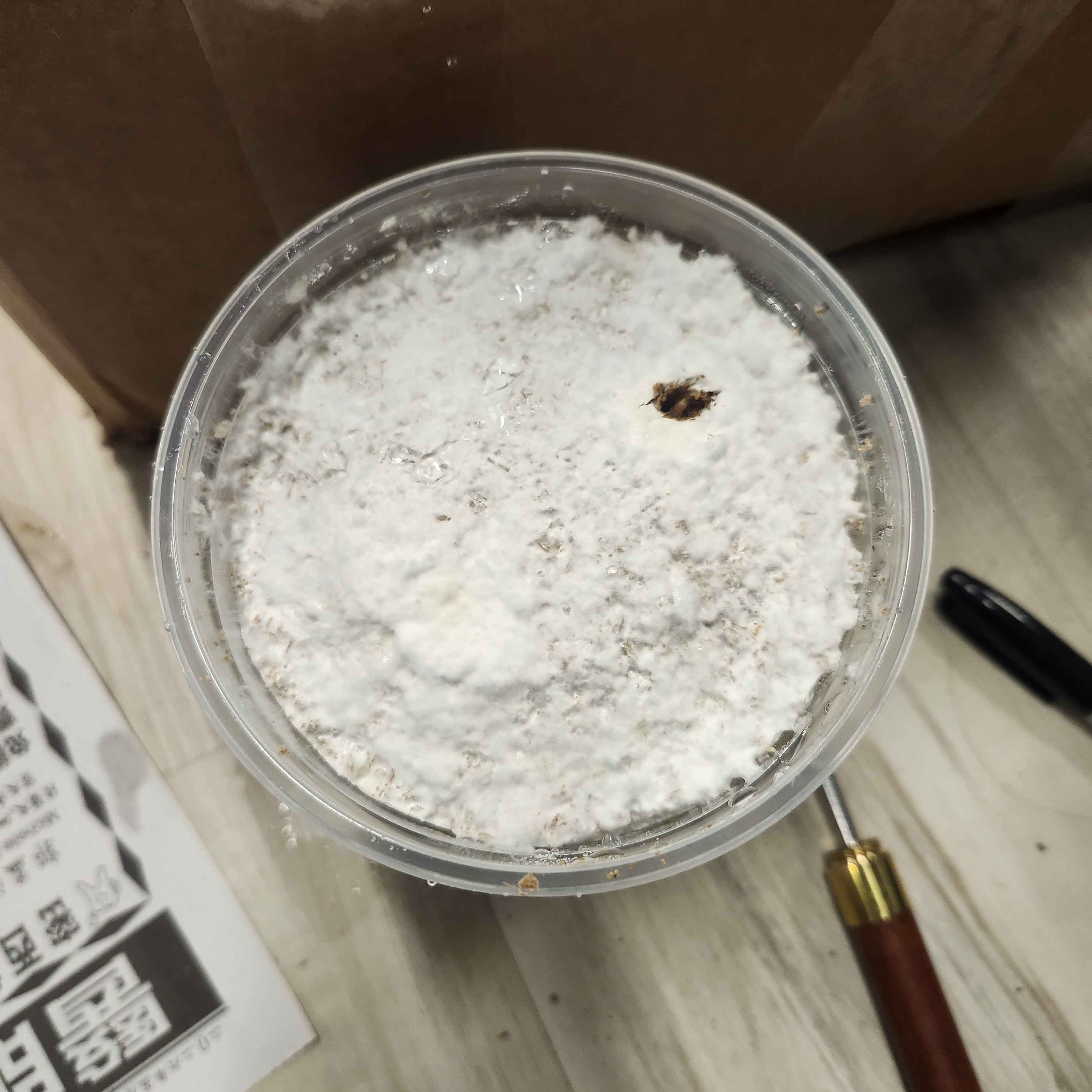
I have also used kinshi, wood substrate colonized by a fungus, for the feeding larvae. Most of my S. exsertus were doing well on an oyster-mushroom batch when I checked them in November 2026. I had put Callipogon proletarius larvae on that same batch and lost every one of them. The contrast is worth keeping in mind when choosing a fungus for longhorn larvae. A substrate that supports a feeding larva also has a different job from the dry bed I give a laying female.
Adults
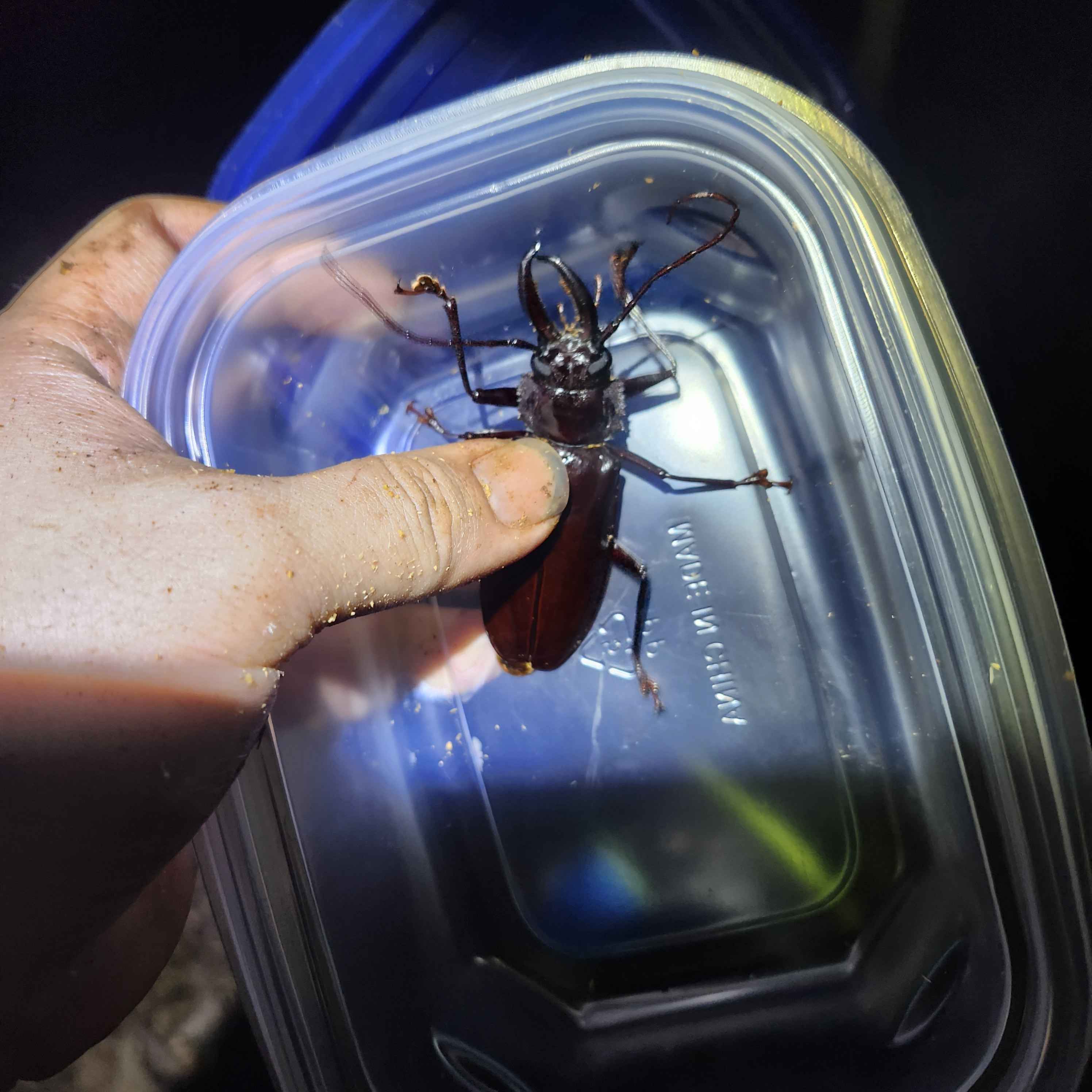
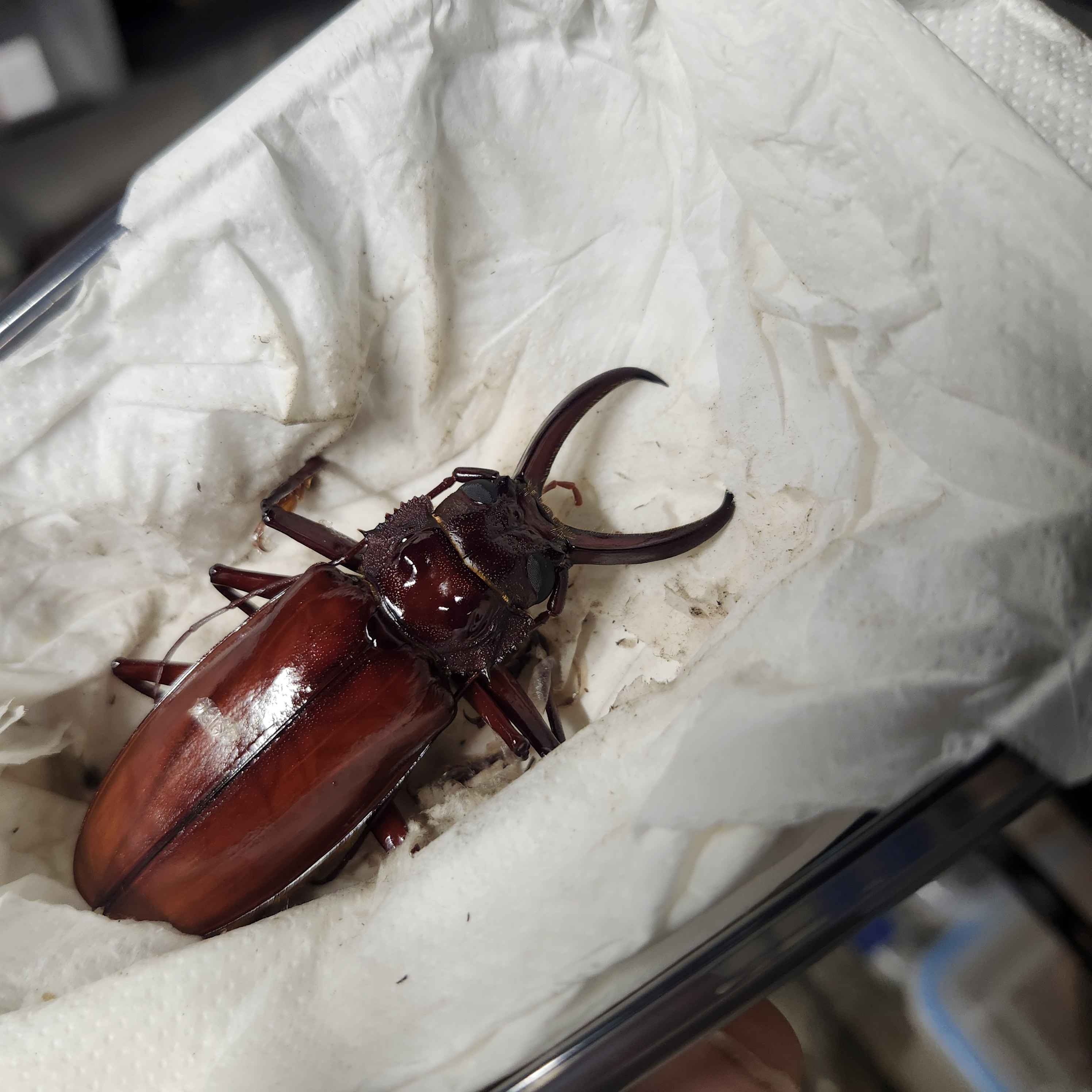
I have reared unidentified longhorn larvae from fallen logs in Puerto Rico. The ones I took from those logs turned out to be Callipogon when they matured. Finding a large larva in a downed log was therefore a poor way for me to identify S. exsertus. A published host record for S. exsertus names Zanthoxylum, the prickly ashes.
Photographs
Adults
Breeding setup
Distribution records