Life-history data
- Brood recovered
- 54 larvae from one female
- Substrate
- Aged hardwood sawdust or less-fermented hardwood flake soil
- Pupation in my culture
- Prepupae observed July 26 and a pupa by July 31
Adults
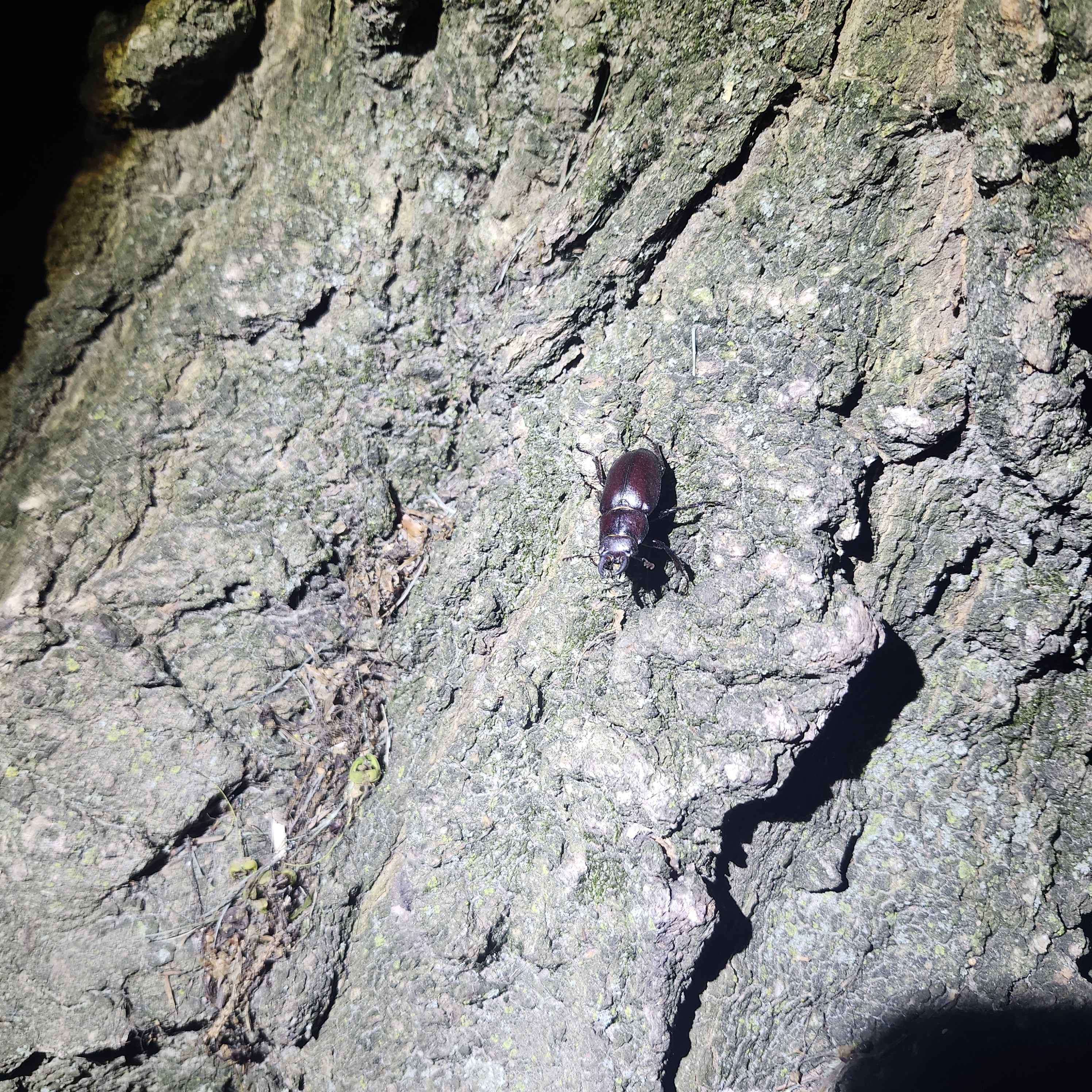
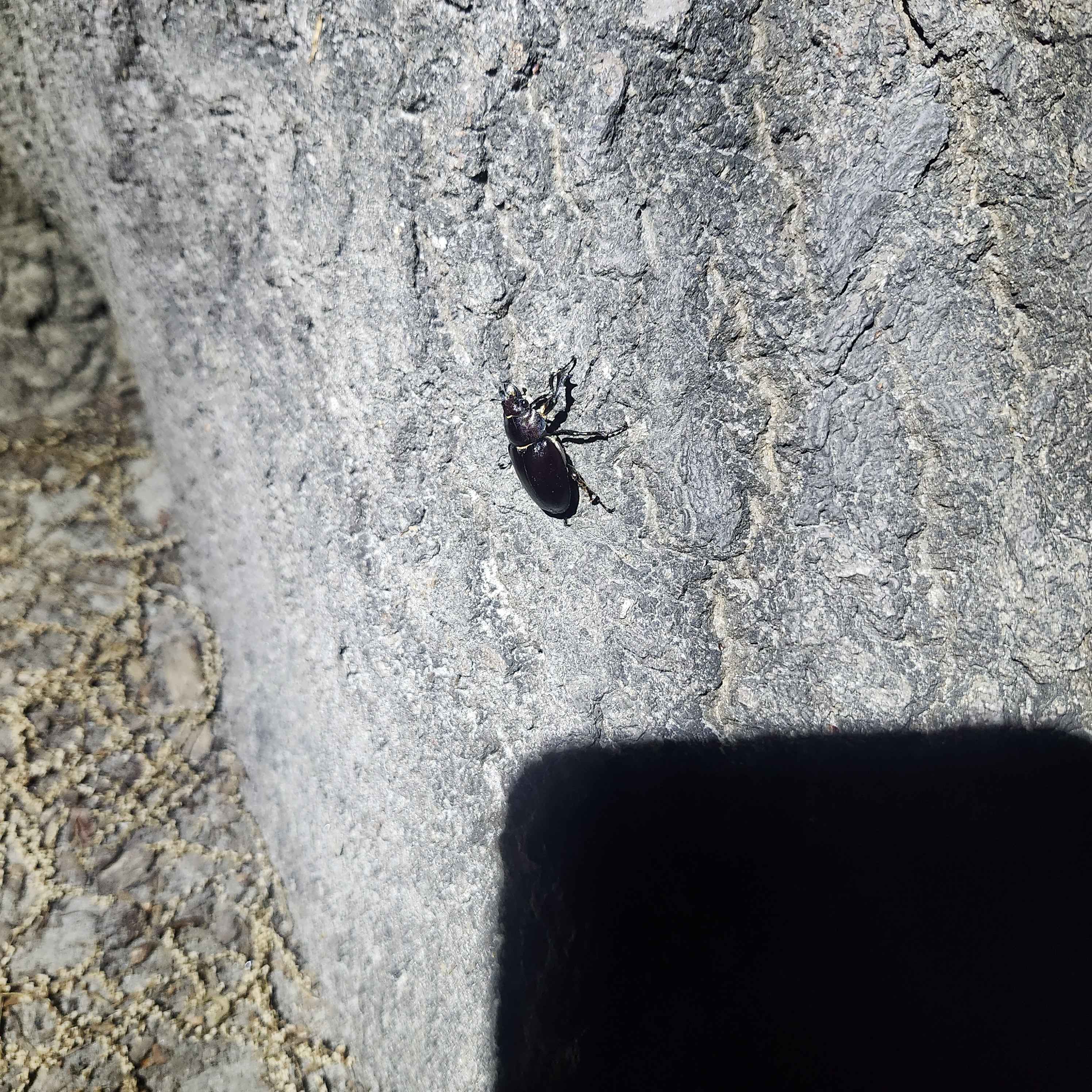
I have seen this species fly readily in May. The male’s mandibles generally have several small teeth along their inner edge, and both sexes have dark femora. Those characters help distinguish them from the reddish-brown stag beetle. Check for active adults after dusk. I offer beetle jelly every five days, with apple or banana as alternatives. I use aged hardwood sawdust with this species. For a breeding female I recommend a container of less-fermented hardwood flake soil and some decaying hardwood, with bark at the surface for climbing.
One autumn my captive-bred males were active by the end of October, but I had no female ready to pair with them. I check activity in both sexes before planning the next laying box. My females have laid in the same flake soil I normally use for stag beetles.
Larvae
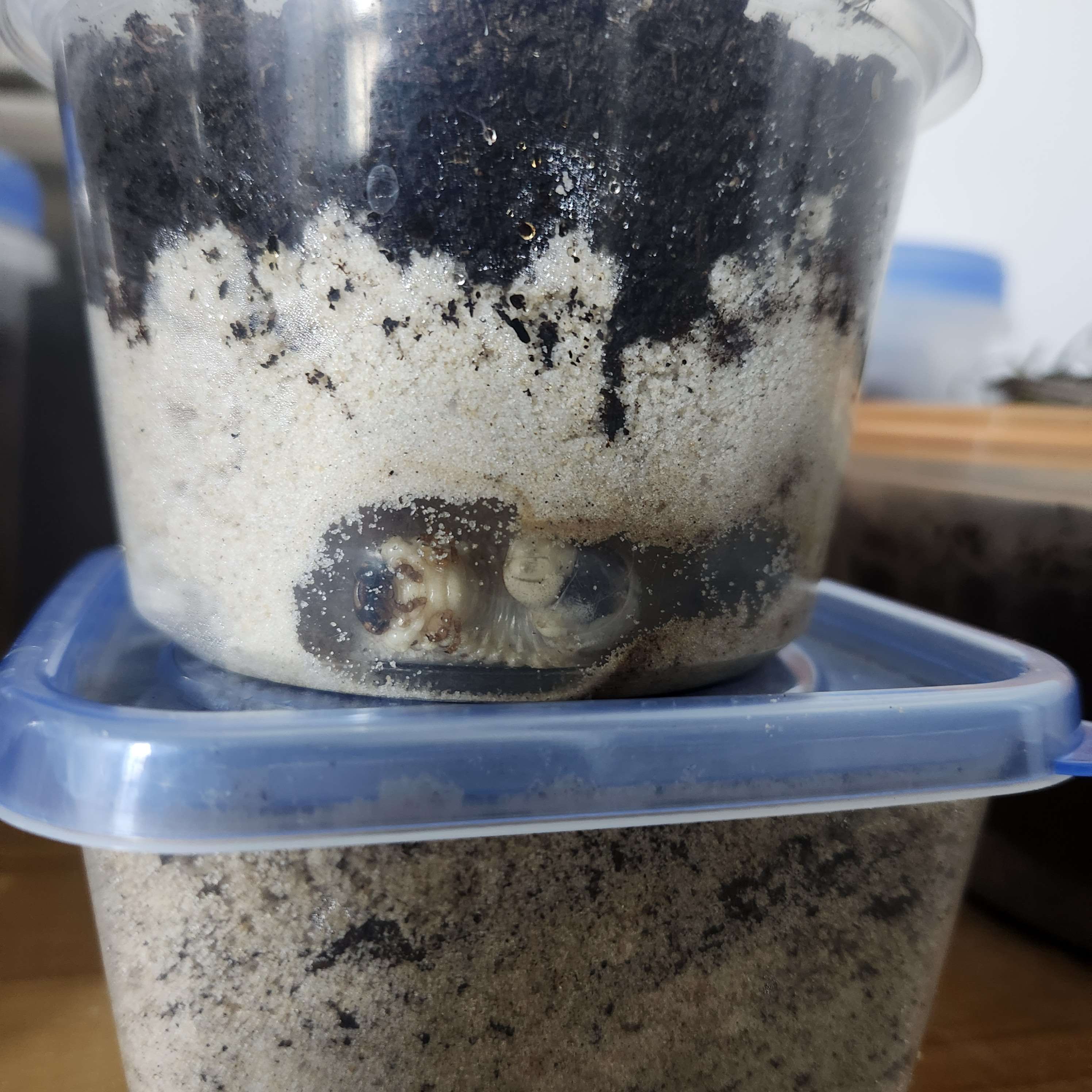
I like to have the rearing containers and a supply of the same woody food ready before inspecting a laying box. My count of 54 is the number of larvae I found from that particular female. Work through the bedding in small portions so newly hatched grubs are easy to spot. As larvae grow, watch the balance of edible wood and fecal pellets. Refresh the feeding material while they are active. Once a mature larva settles in one place and starts pressing the substrate into an oval chamber, leave that section alone.
Pupation
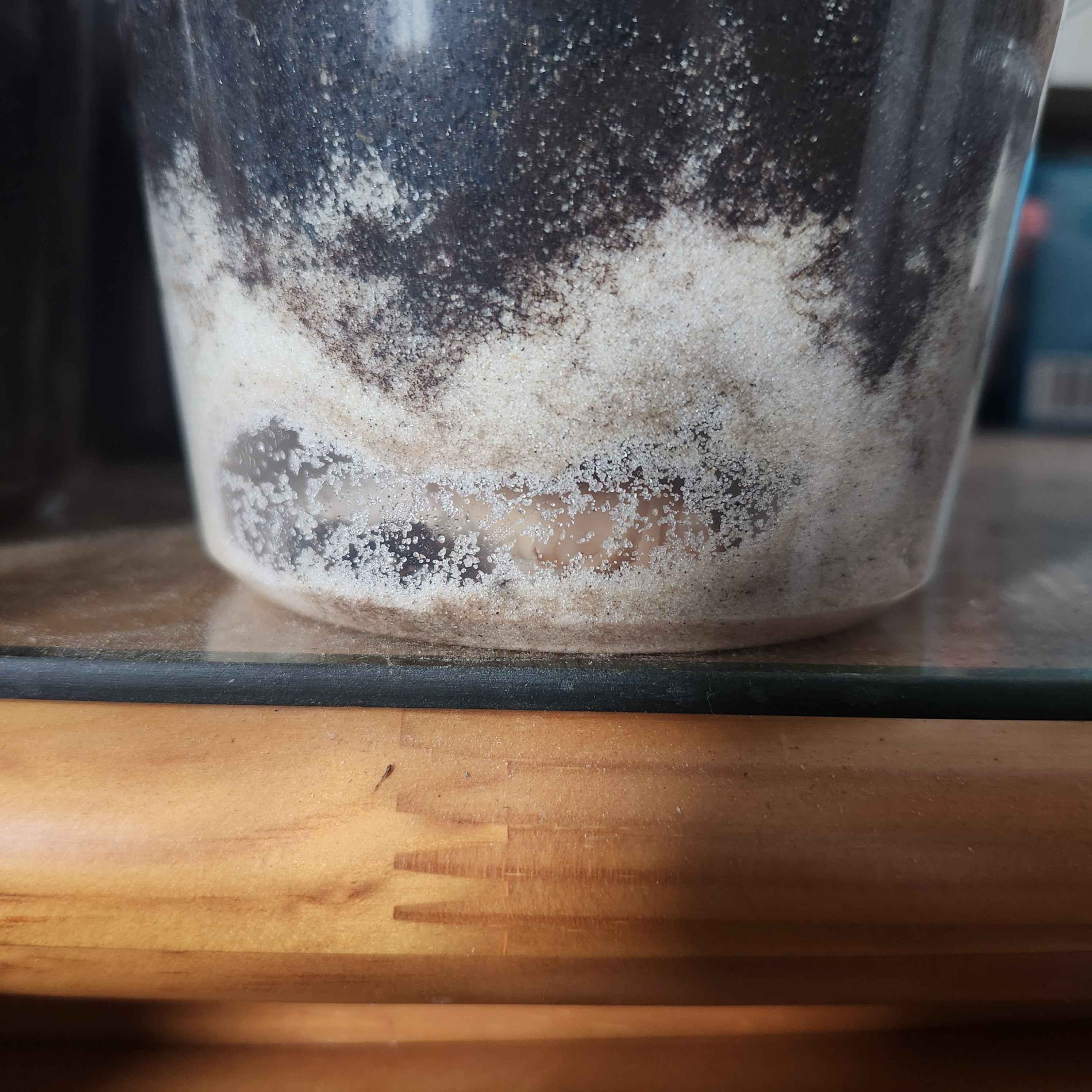
My larvae remained apparently stalled for several months. Then a faulty air conditioner made the room unusually cool for a few days. On July 26 all the stalled larvae had become prepupae, and by July 31 I had a pupa. I did not measure the temperature during that cool spell. For a documented individual timeline, A. A. Girault followed a Virginia grub that became a prepupa around August 1, pupated on August 3 and molted to an adult on October 6. A cell can therefore remain occupied for weeks after the grub has finished feeding.
Photographs
Larvae
Prepupae and pupae
Adults
Geographic status
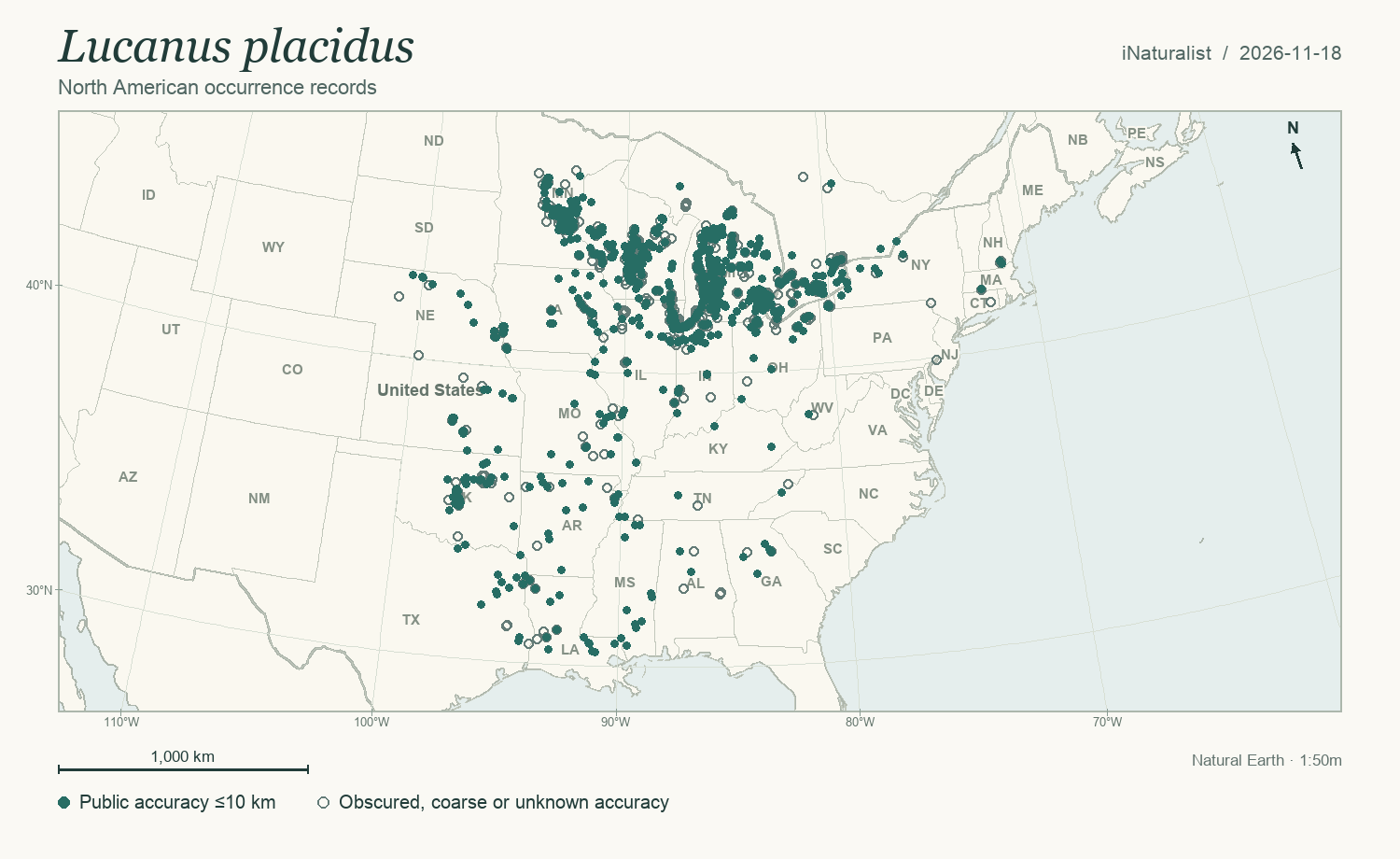
Native to the central and eastern United States and southern Canada, including Ontario.
Distribution records