Life-history data
- Adult food
- Beetle jelly every five days, or apple or banana
- Michigan rearing substrate
- Organic raised-bed soil
- Major males on raised-bed soil
- About 55–62 mm
- Wild larval development
- About 2–3 years
- Seasonal activity
- My northern Florida adults became active in late May
Adults
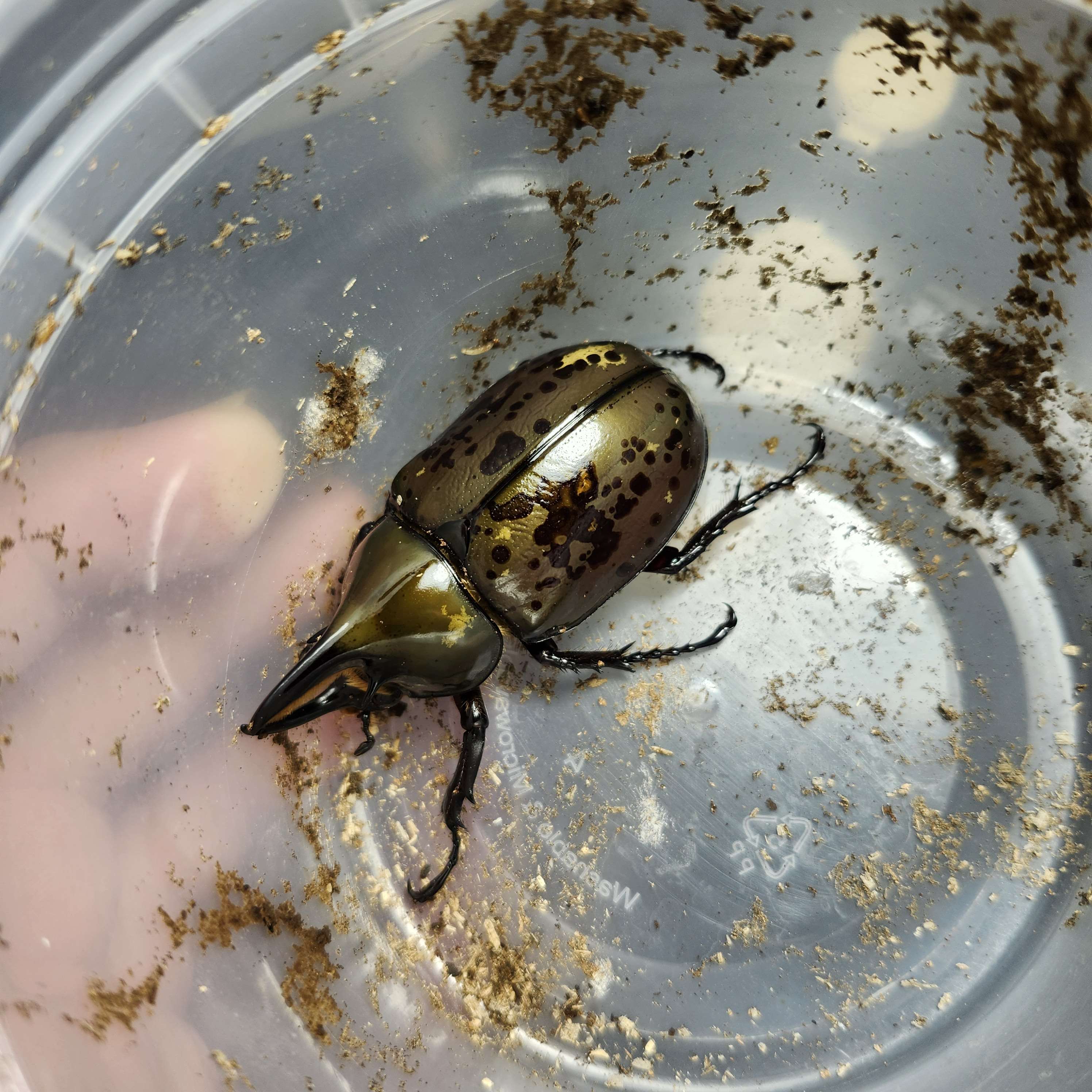
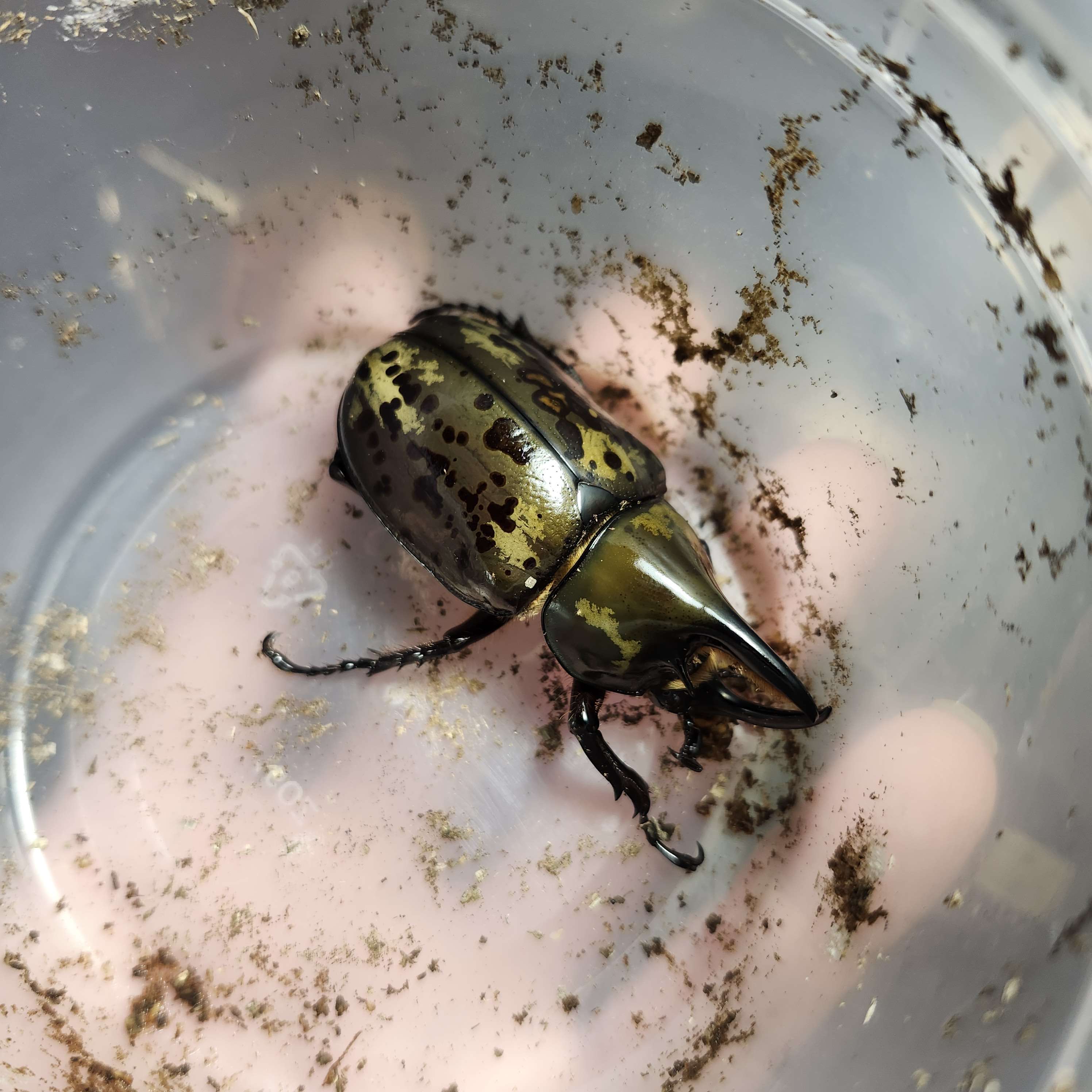
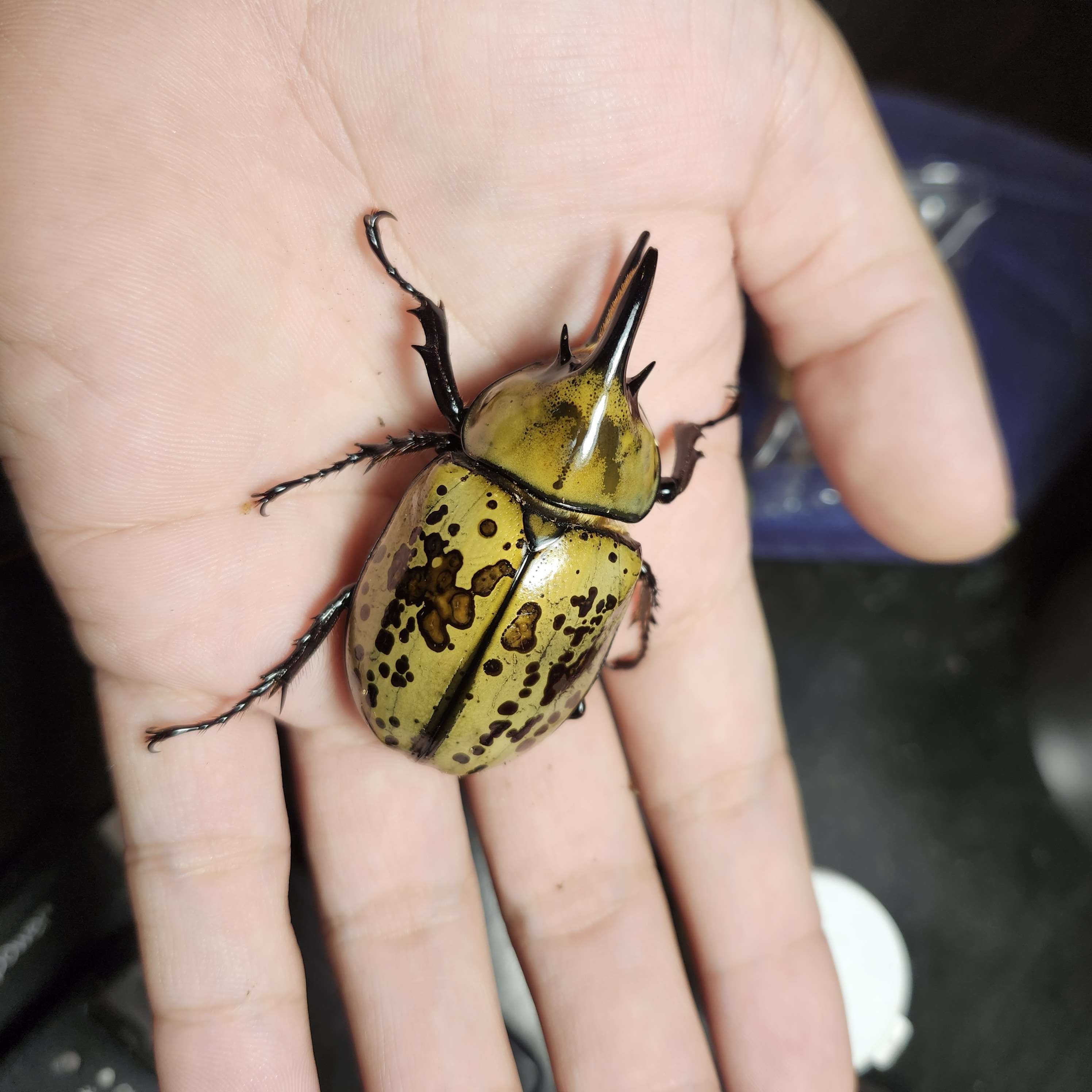
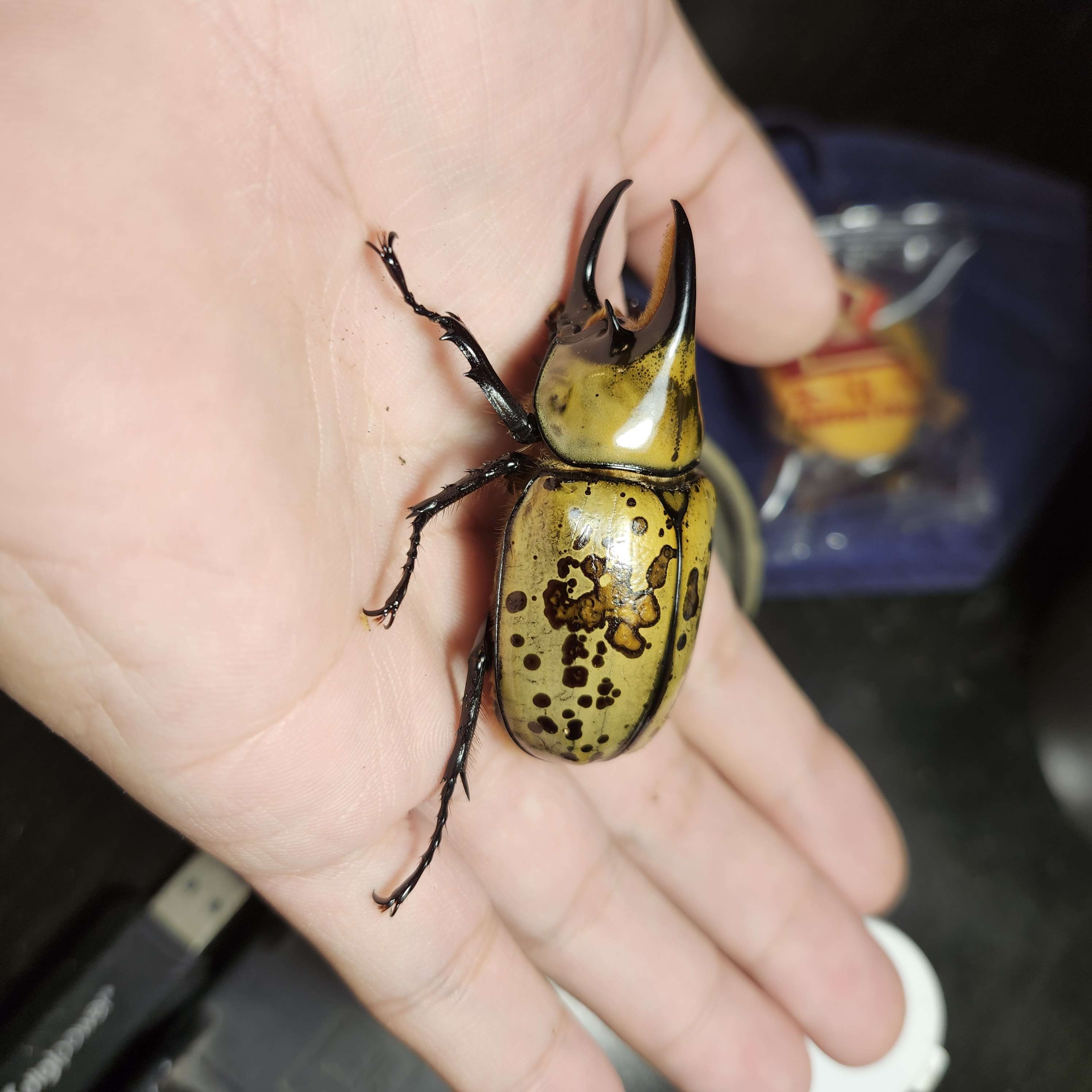
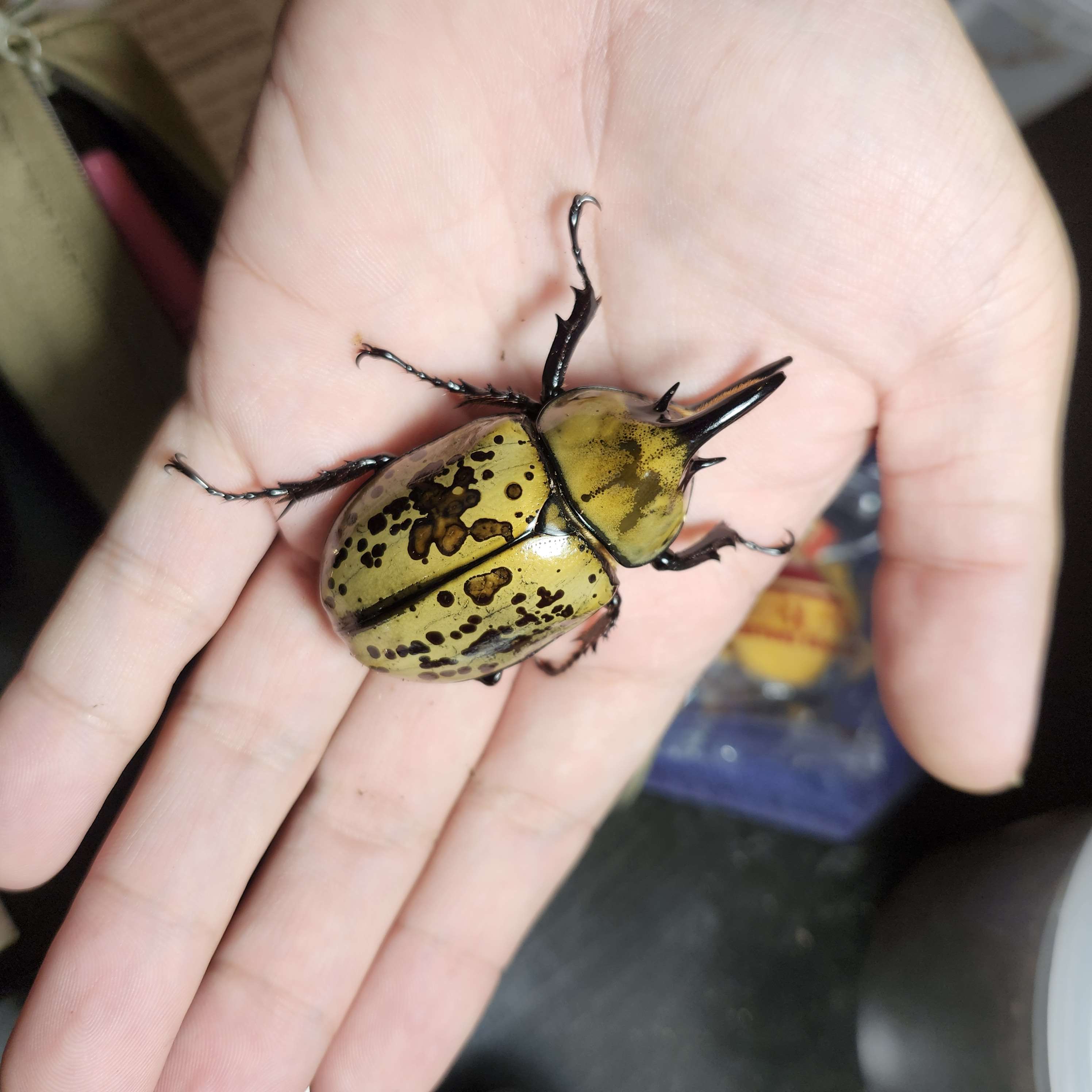
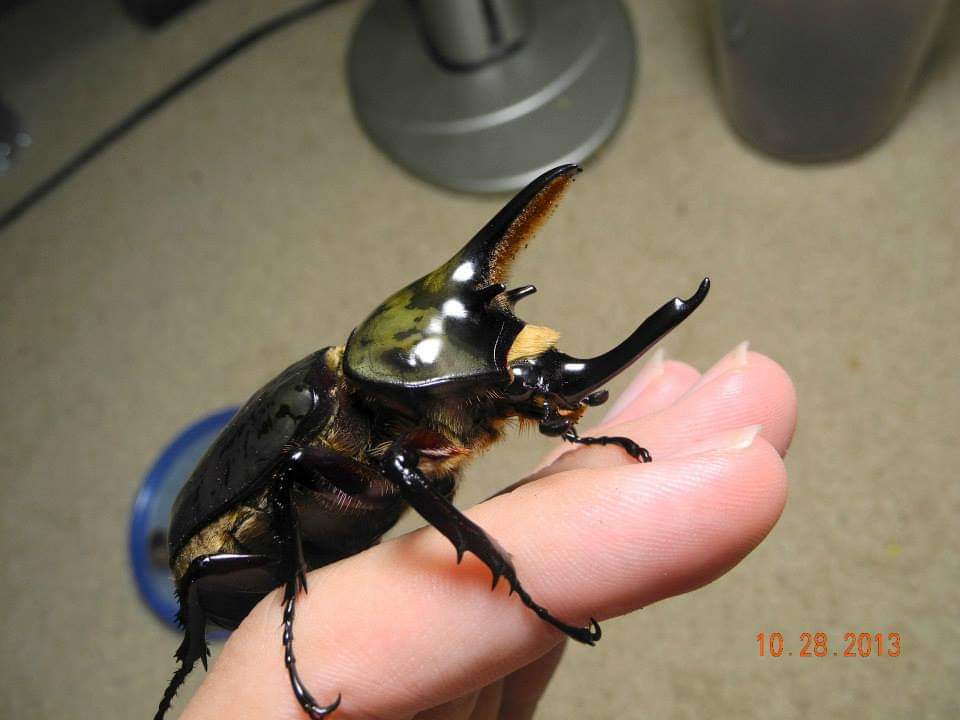
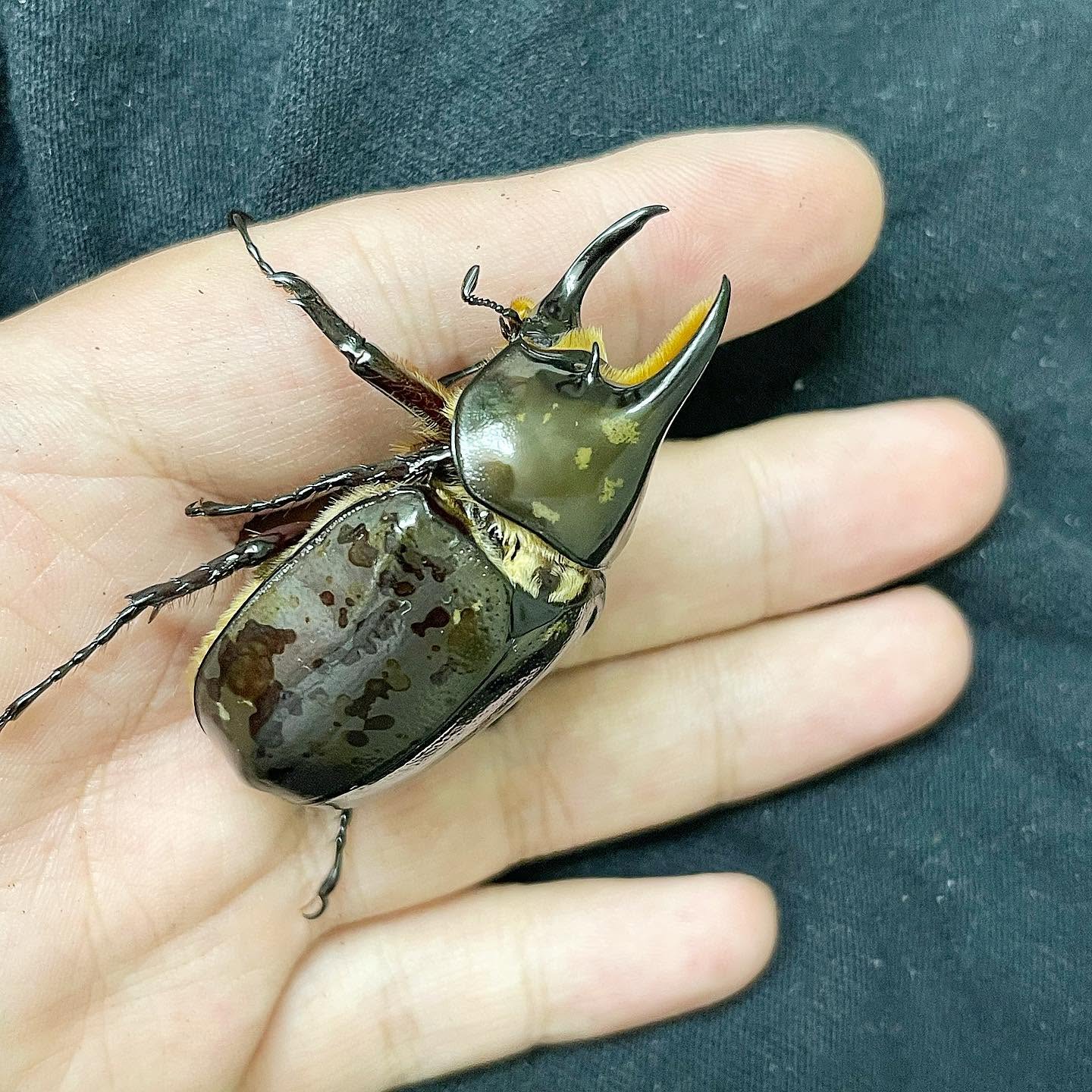
I keep an active male and female together. I offer beetle jelly every five days, or a piece of apple or banana. I watch for the female to feed and burrow before checking for eggs. I prefer to see a mating when I can. In my experience, roughly a third of the wild-caught females I have worked with appeared to be unmated. A female from the Texas Sandhills was one of them.
Season matters when putting a pair together. Adults I collected in northern Florida in 2024 became active in late May the following year. I wait for both beetles to be active before pairing them.
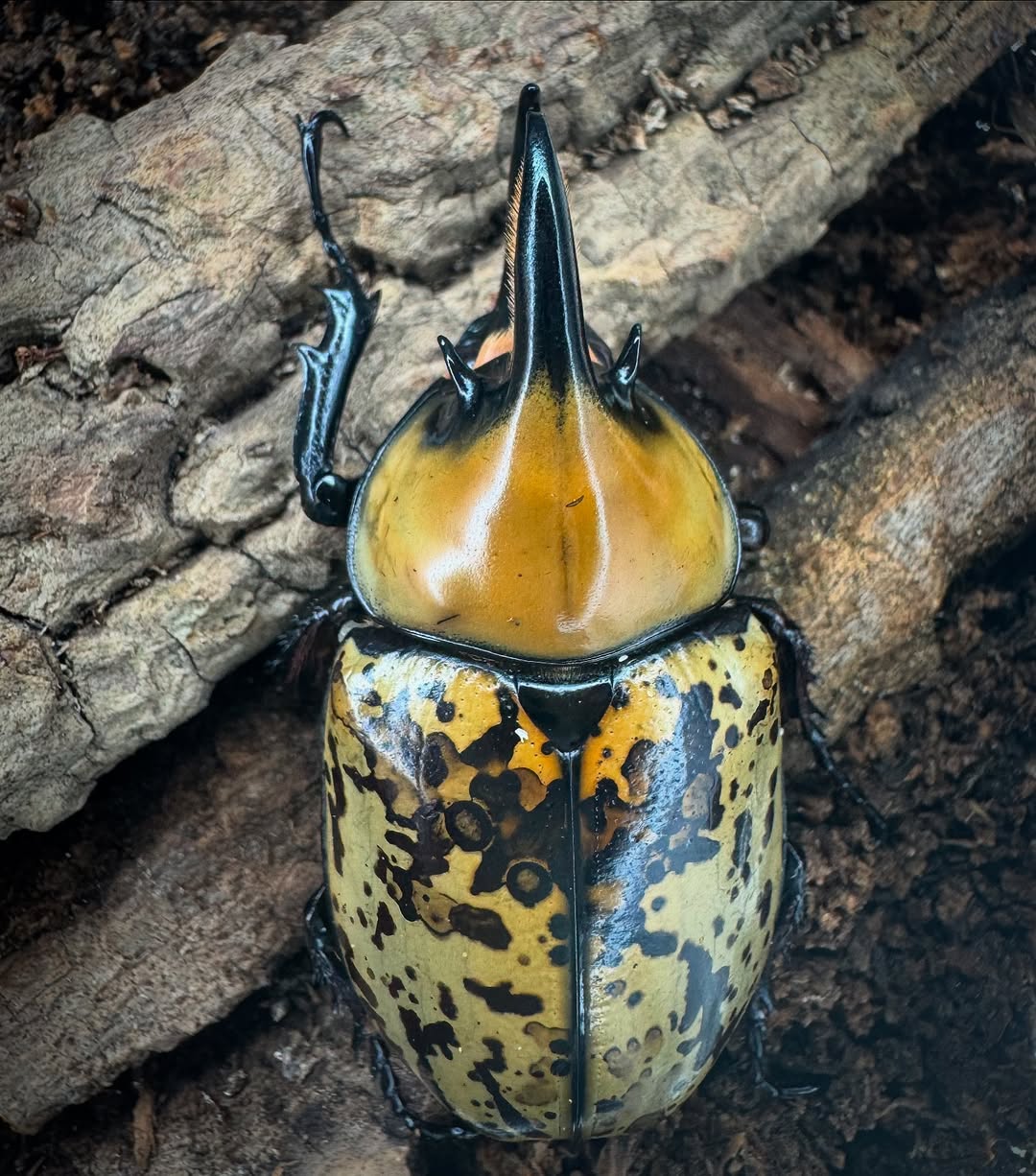
In North Carolina I found seven adults in a single night. The largest male there was over 63 mm by my field measurement. In a comparison of three males from my collection, the intermediate one measured around 55 mm.
Larvae
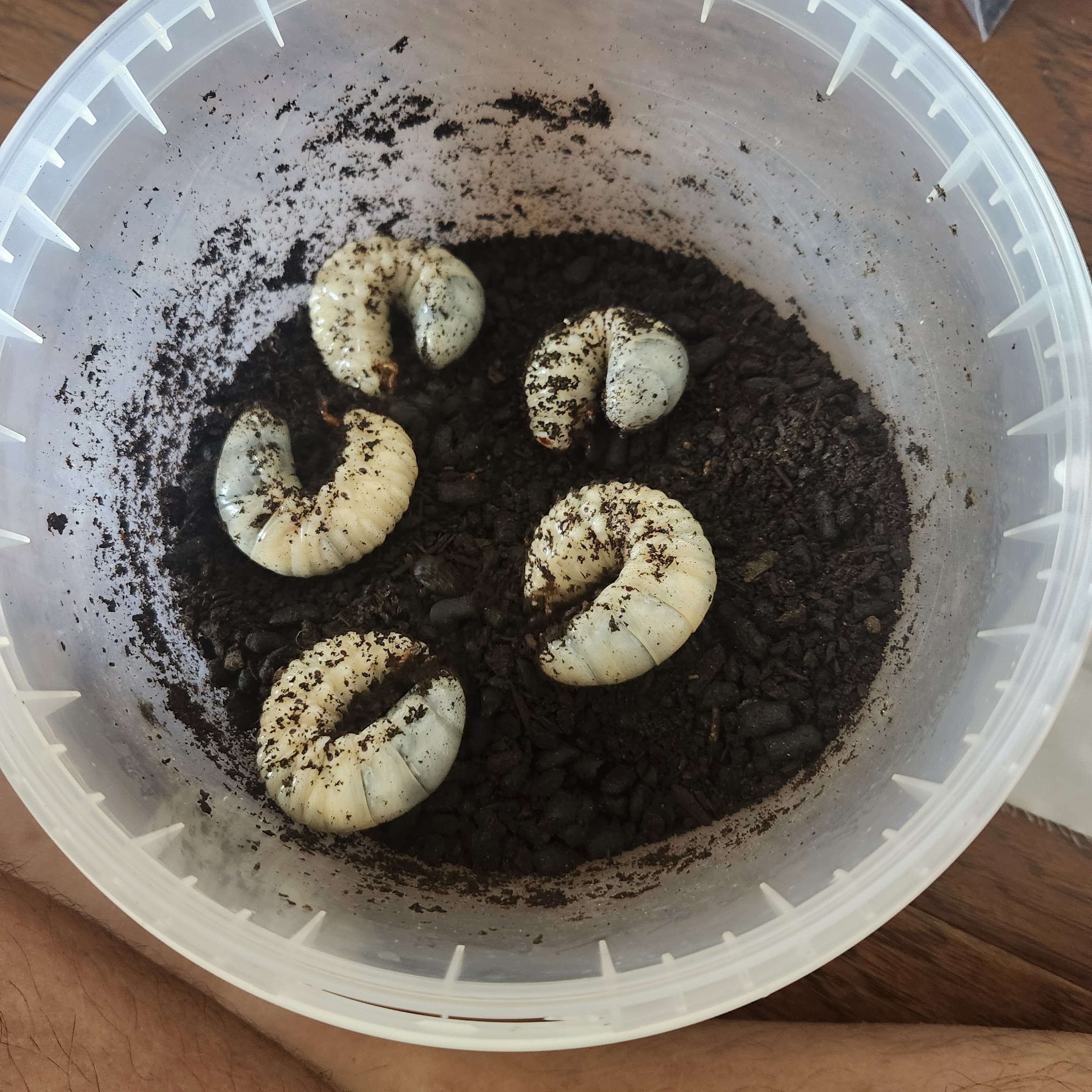
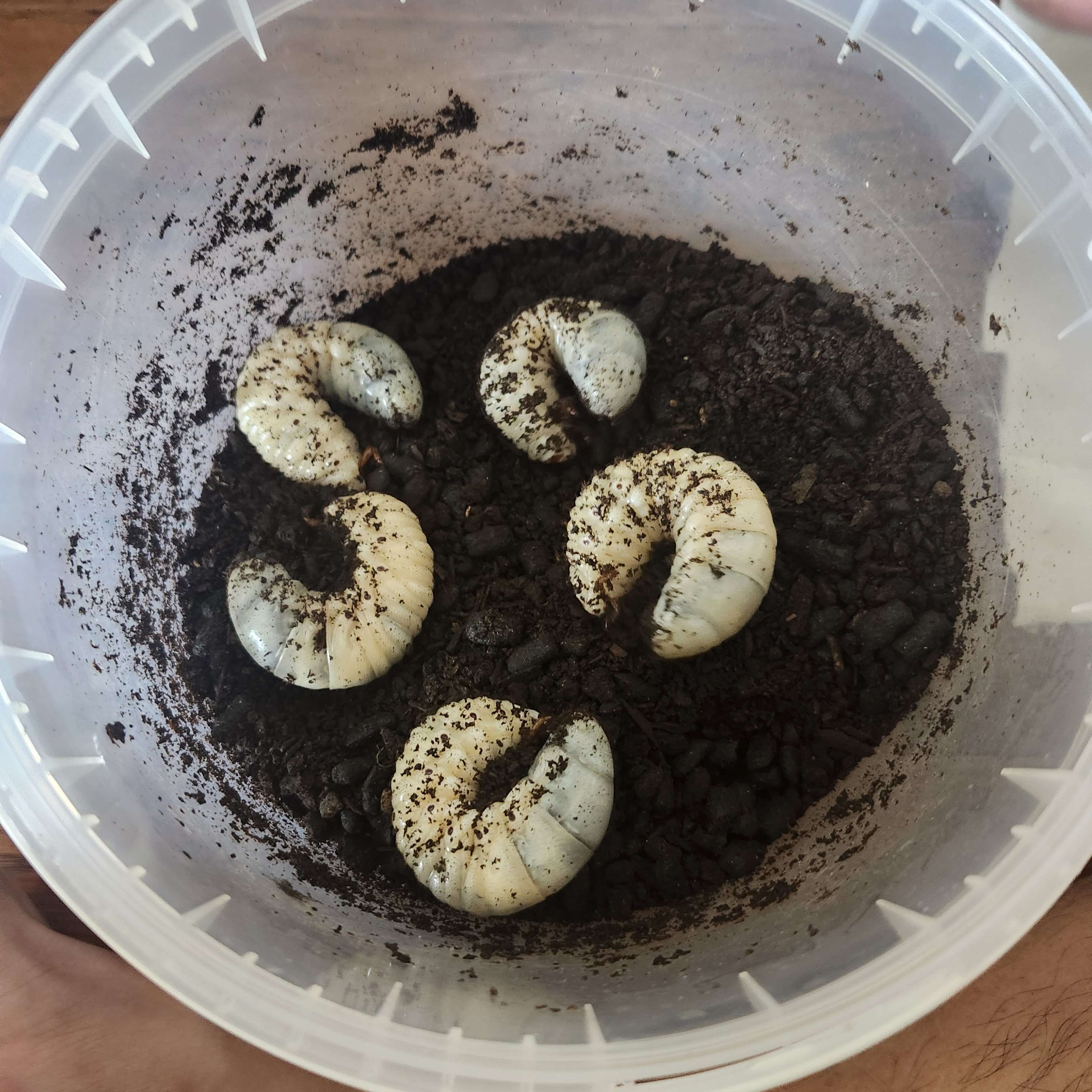
When I was raising hundreds at once, I used a locally available organic raised-bed soil as a cheaper alternative to flake soil. It worked for my Michigan colony, although I had to change it more often. Products sold as raised-bed soil vary from place to place. Before using a whole bag for a brood, I would try a small batch and follow how well the grubs feed and grow. The major males I raised this way measured about 55–62 mm. I never reached 65 mm with that method.
I have also obtained males over 55 mm on spent substrate that the larvae had reduced almost entirely to dry frass. That was a separate trial. If I use hardwood flake soil for a new brood, I choose a more thoroughly fermented batch than I would for stag beetles and replace it as the grubs consume it.
Tree cavities are a good place to look for the loose material the larvae eat. I have seen this species use standing dead pine. In 2021 I kept an Alabama line that came from pine and had been raised on potting soil. I keep that distinction in mind when choosing a substrate. The material a grub came from in the woods and the food it developed on afterward can be quite different.
In Wetumpka, Alabama, I found one of my males as a second-instar grub in a decayed pine in January 2012. In a separate January search I found 14 larvae in the cavity of a fallen tree in a suburban area. I look at the condition of the material inside a cavity when judging whether it can support grubs.
Pupation
Once a grub finishes shaping its chamber, I leave it intact. On three separate occasions I found wild adults still inside their chambers, in October, November and April. I allow about two to three years for larval development in the wild. Inside a clear container, I can follow a chamber at the wall without opening it. I begin offering food once the adult leaves the chamber and comes to the surface.
Photographs
Larvae
Adults
Geographic status
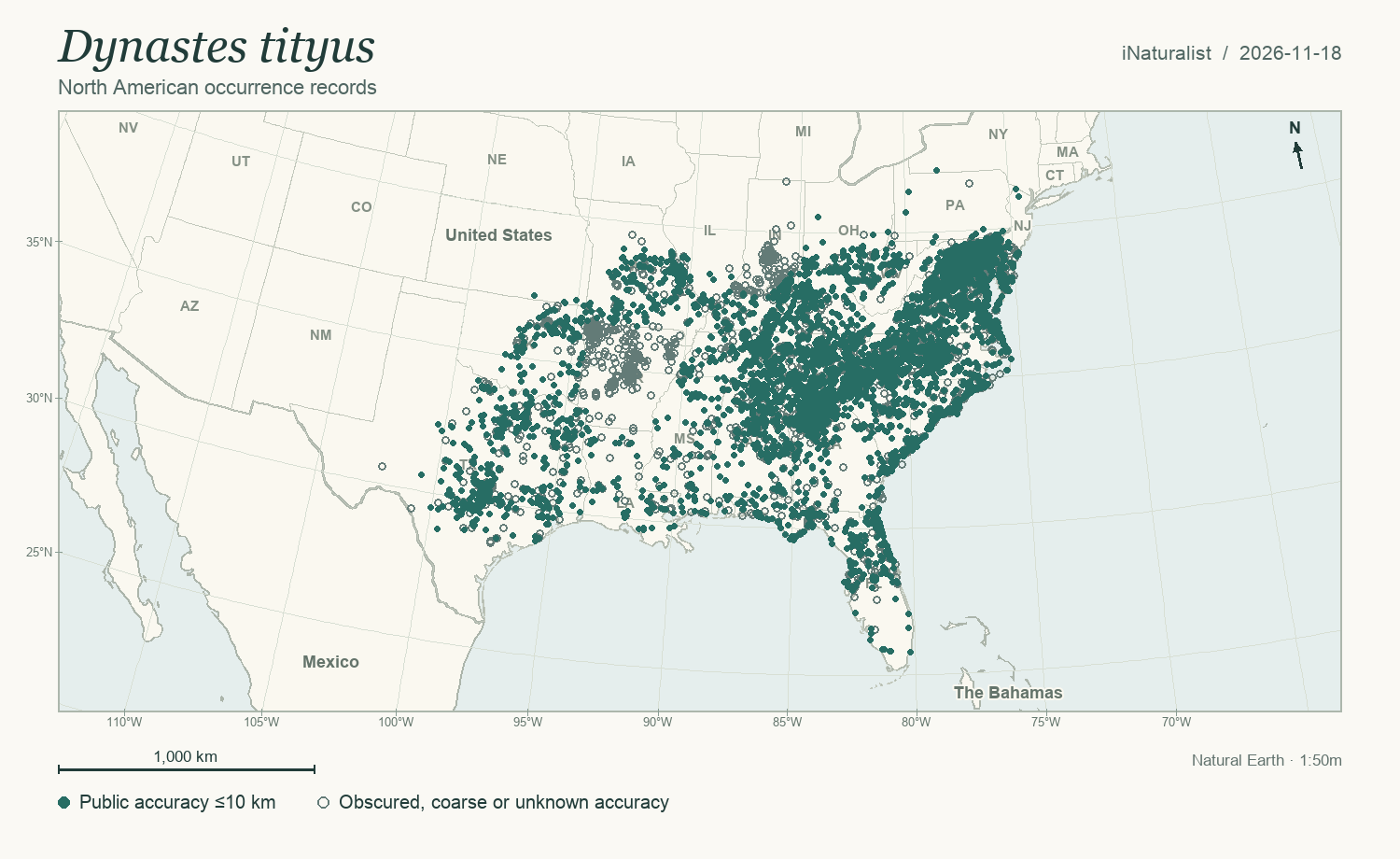
Native to the eastern United States, from New York south to Florida and west to the eastern Great Plains and eastern Texas.
Distribution records