Life-history data
- Range
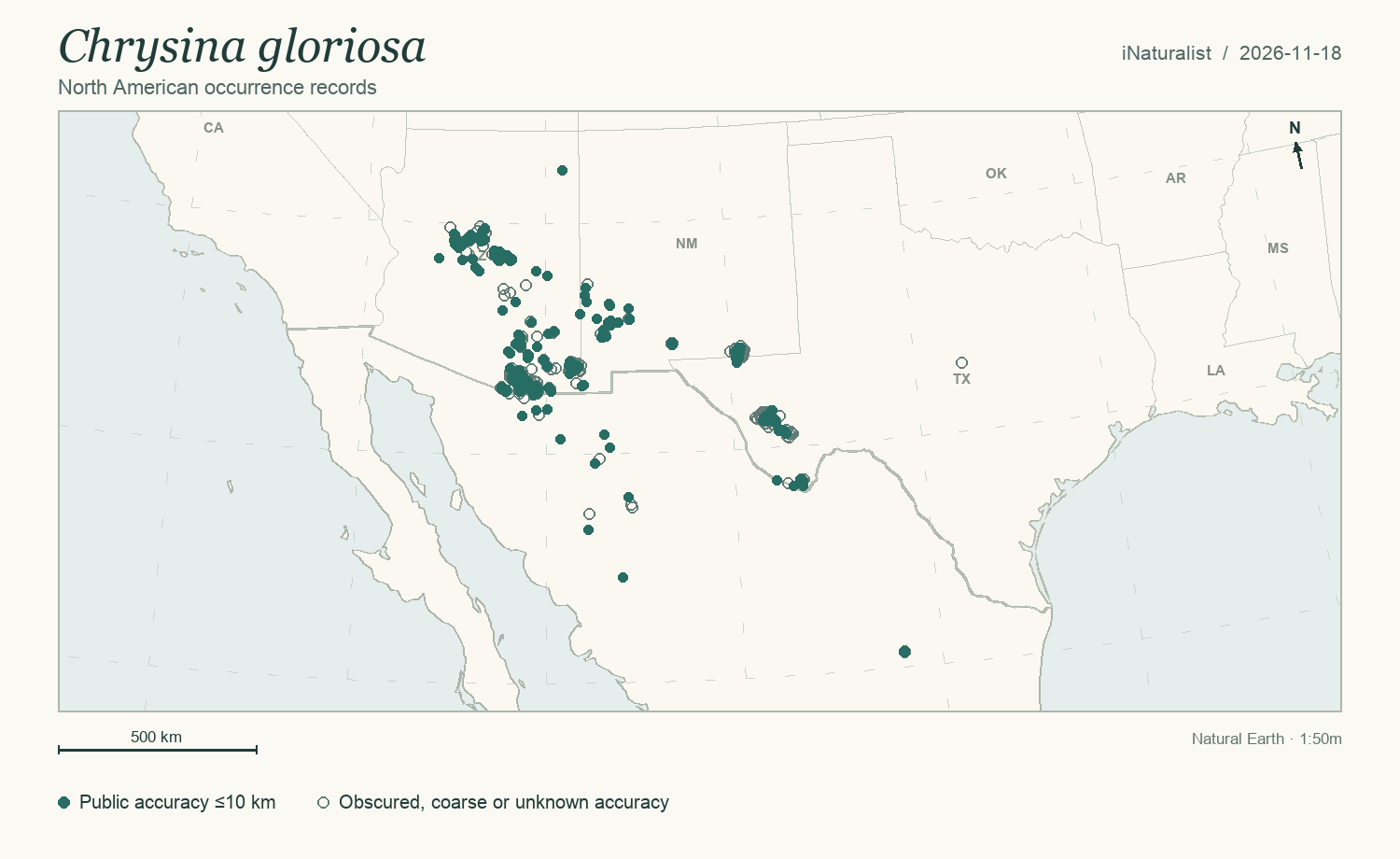
- Arizona, New Mexico and western Texas
- Adult length
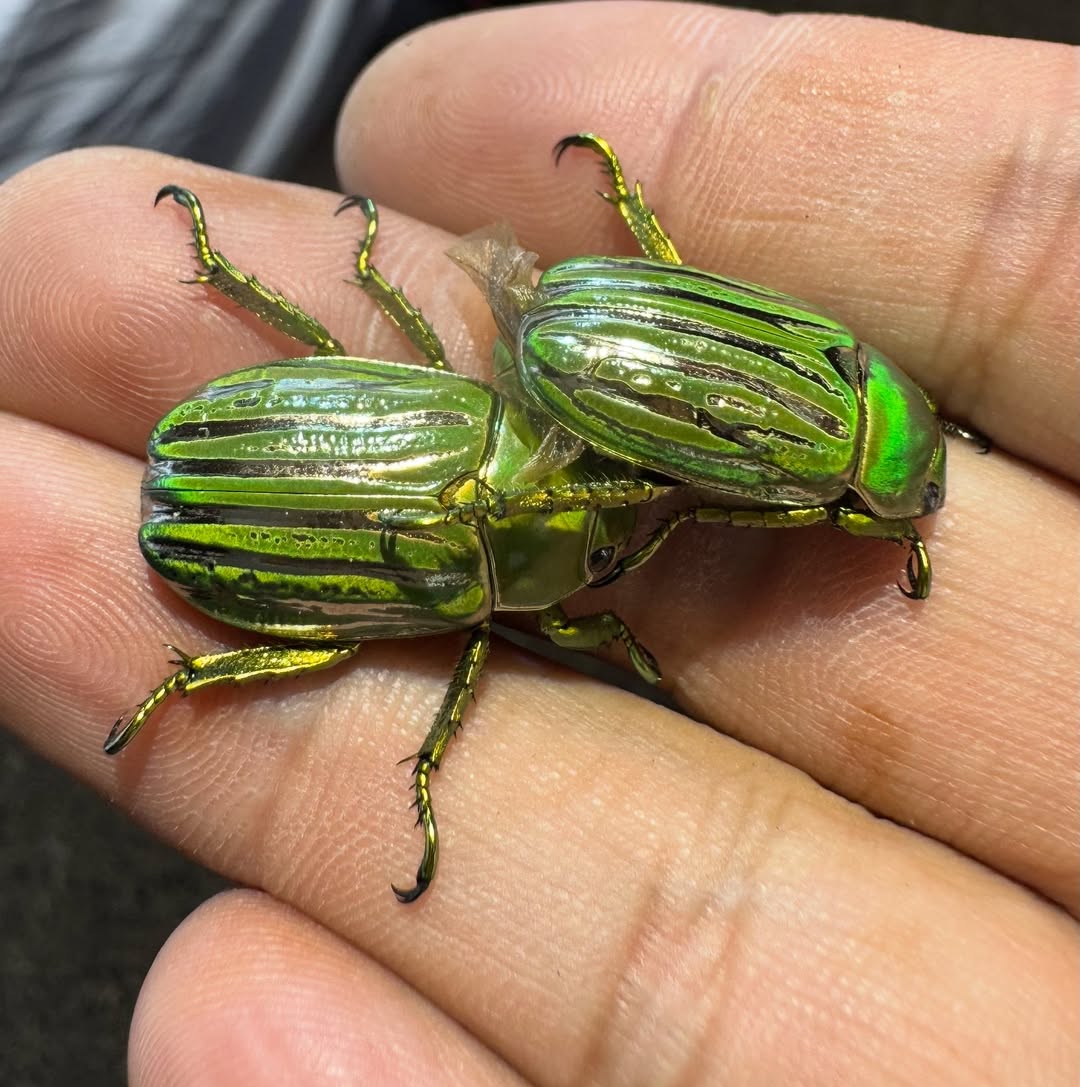
- 20–30 mm
- Adult lifespan
- 1–3 months
- Larval period
- 1.5–3 years
- Pupal period
- Approximately one month
- Egg count
- 20–60 or more
Adults
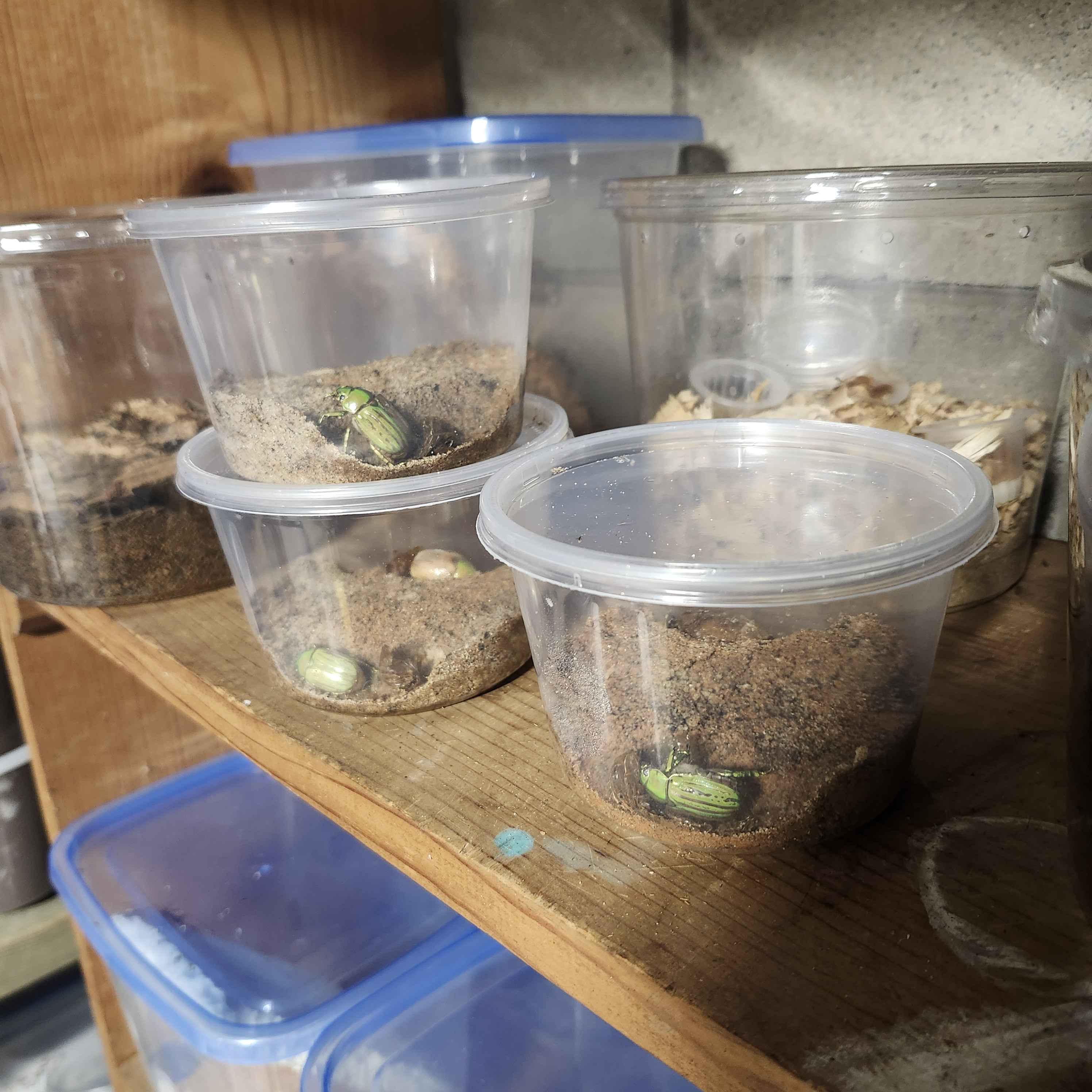
My adults measure about 20–30 mm. Males tend to be smaller, but I check the underside of the abdomen when choosing a pair. In a female, the last abdominal segment has a pointed, V-shaped outline. In a male, it is more rounded or U-shaped, with a narrow slit visible at the tip. I provide juniper cuttings in a breeding bin of at least 1.75 US gallons (6.6 L). Eastern red cedar (Juniperus virginiana) works well. I change the cuttings every three days and keep old foliage out of the bin. My adults have been prone to fungal and bacterial problems when cuttings are left to deteriorate. I have also found adults flying at night in August even under extremely dry field conditions.
Eggs
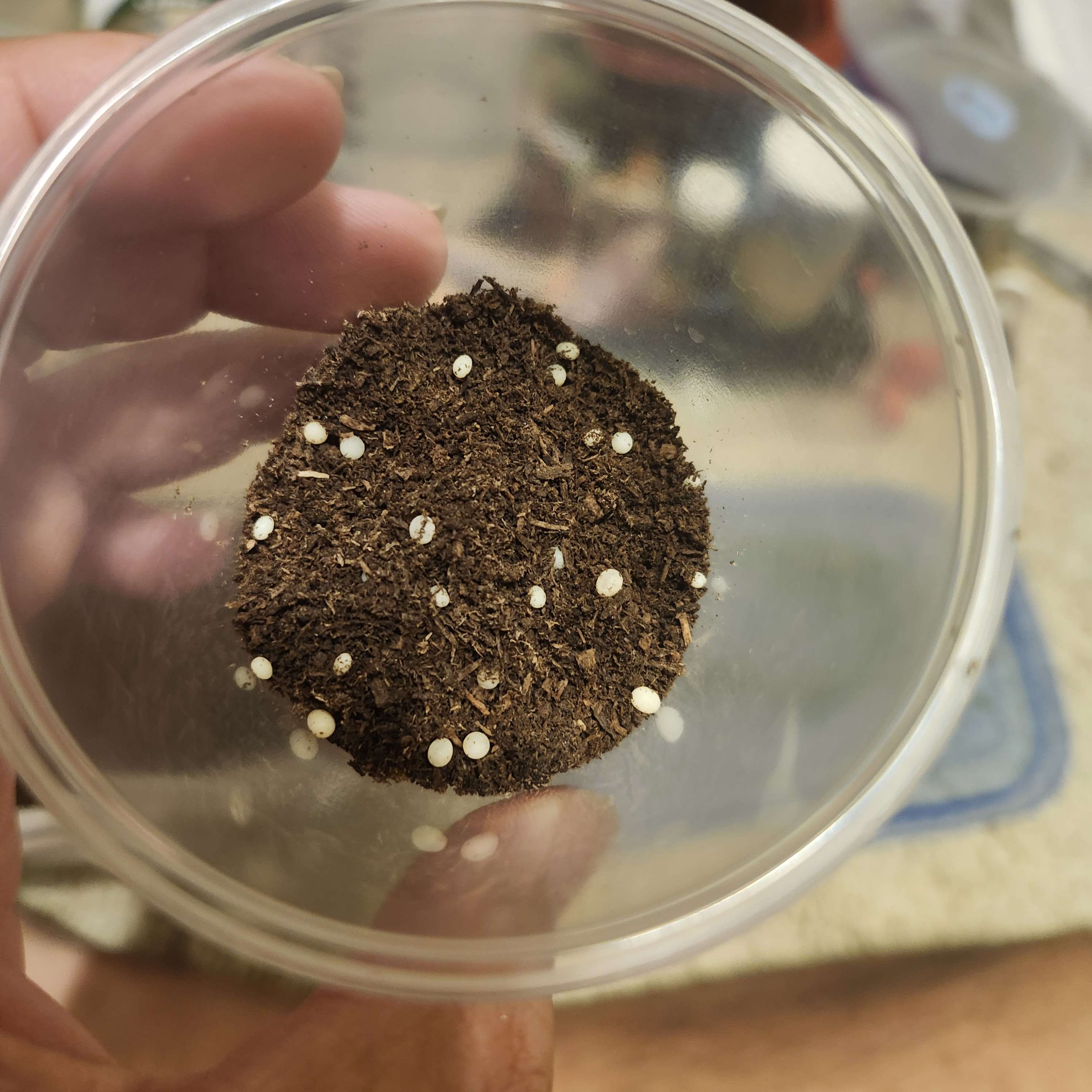
I leave the eggs where the female lays them. A female typically spends several days feeding on the juniper, burrows for about a day, then comes up to feed again. This cycle can repeat several times. I keep the foliage fresh even when the beetles are below ground. I expect roughly 20–60 eggs, sometimes more. My adults have left the eggs alone, and the grubs can hatch directly into the shared substrate. In one season I photographed eggs on May 31 and had second-generation hatchlings by June 4. Those were dates for the culture as a whole. The following July I had third-generation offspring.
Larvae
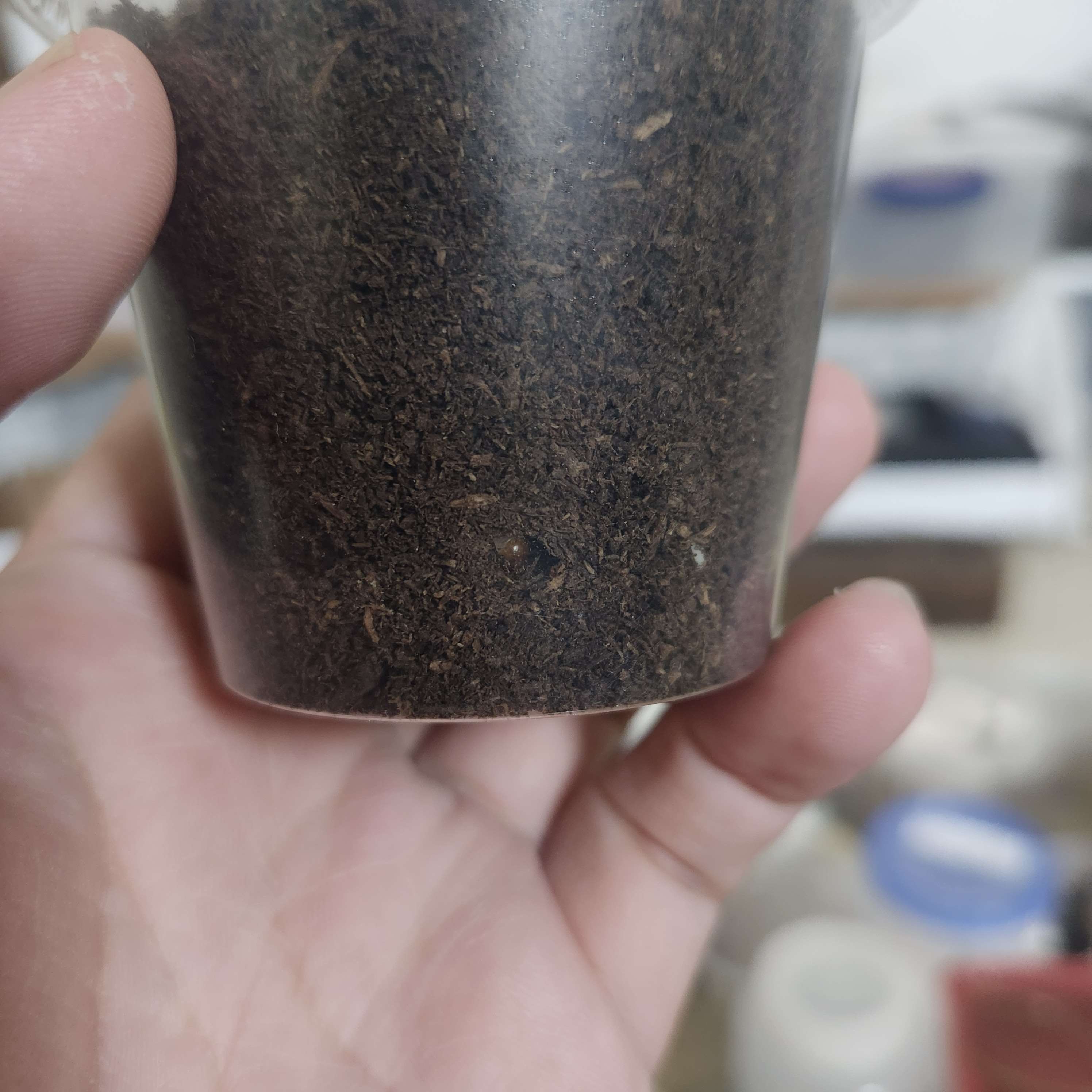
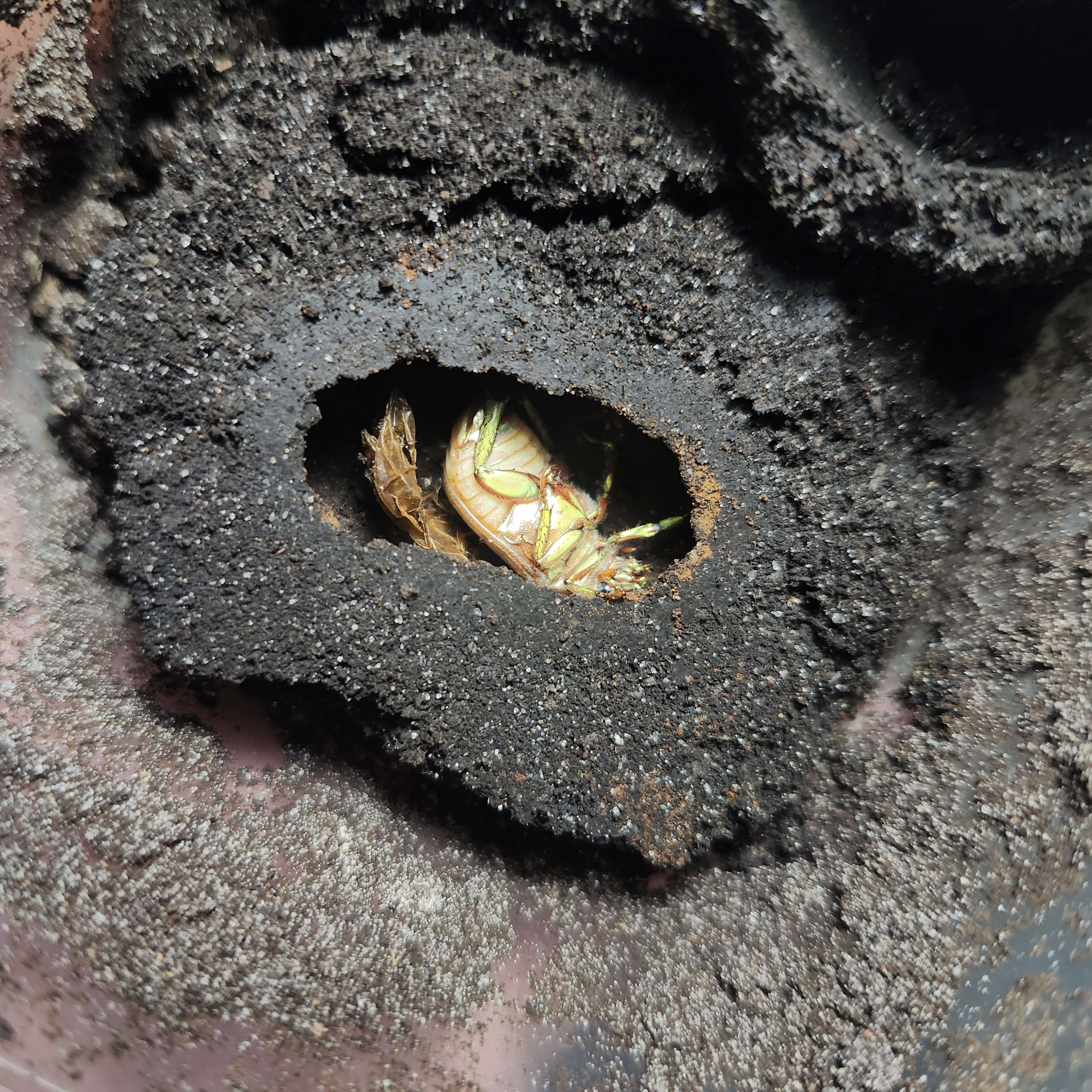
I raise the grubs on lightly fermented hardwood flake soil. In the wild, the larvae also use decaying hardwood. In southeastern Arizona, for example, they have been found in rotting Arizona sycamore (Platanus wrightii). The juniper I give the parents belongs above ground as fresh foliage. The young need the decomposing wood below. My larvae generally reach the latter part of their third and final instar by autumn. I allow 1½–3 years for the larval stage and about a month for the pupa.
Overwintering
I keep late third instars cool through the winter, from the low 40s into the 50s °F (roughly 5–15 °C). When I skipped winter cooling, larvae often failed to pupate, or adults emerged so far apart that I could not pair them. I warm the containers in spring and wait. The adults come to the surface on their own after a few months. I keep a newly surfaced female away from males for the first several days and give her fresh juniper to feed on. Persistent mating attempts at this vulnerable stage can kill her.
Photographs
Eggs
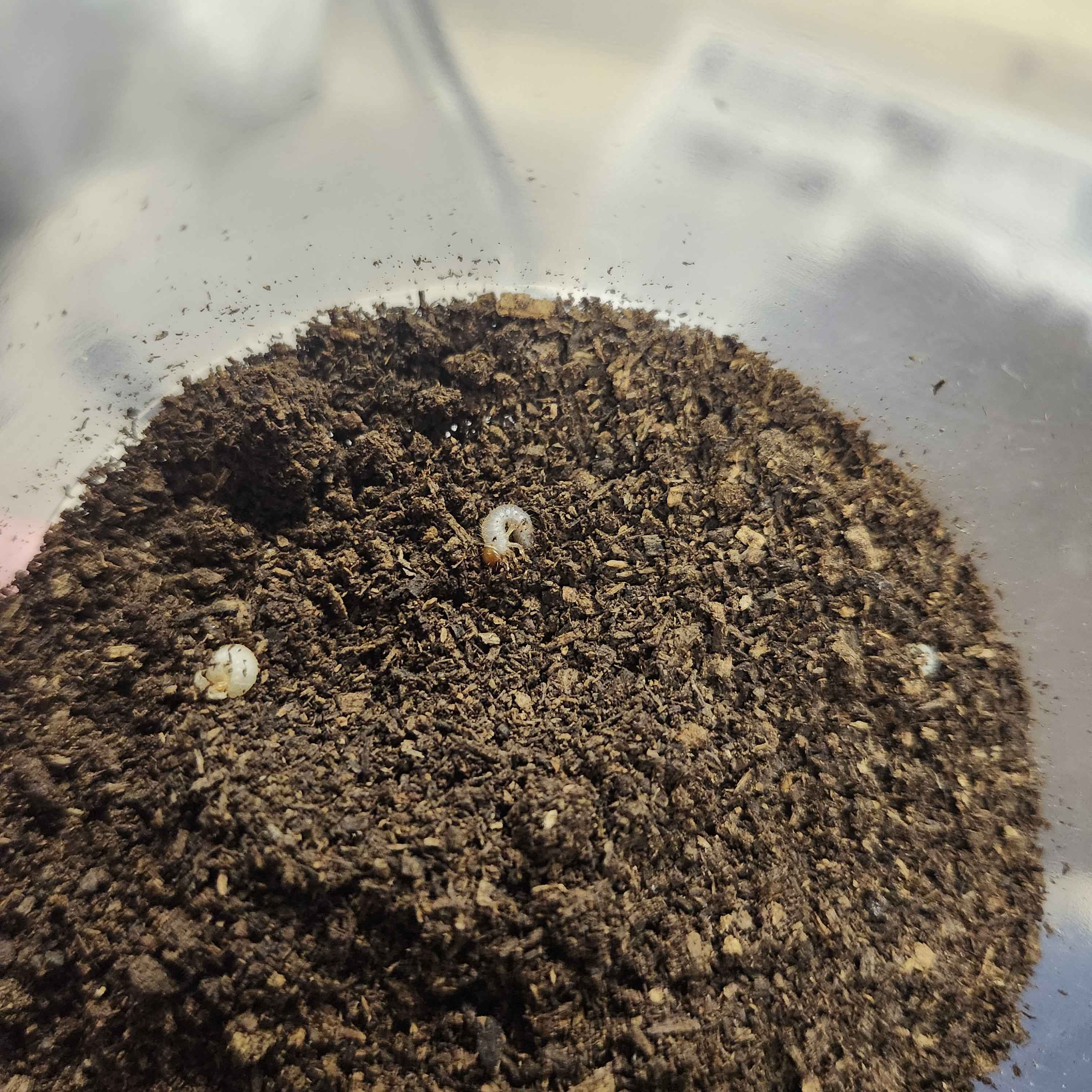
Larvae
Prepupae and pupae
Adults
Geographic status
Native to the southwestern United States and northern Mexico. Documented populations include Arizona, western Texas, Chihuahua and Sonora.
Distribution records