Life-history data
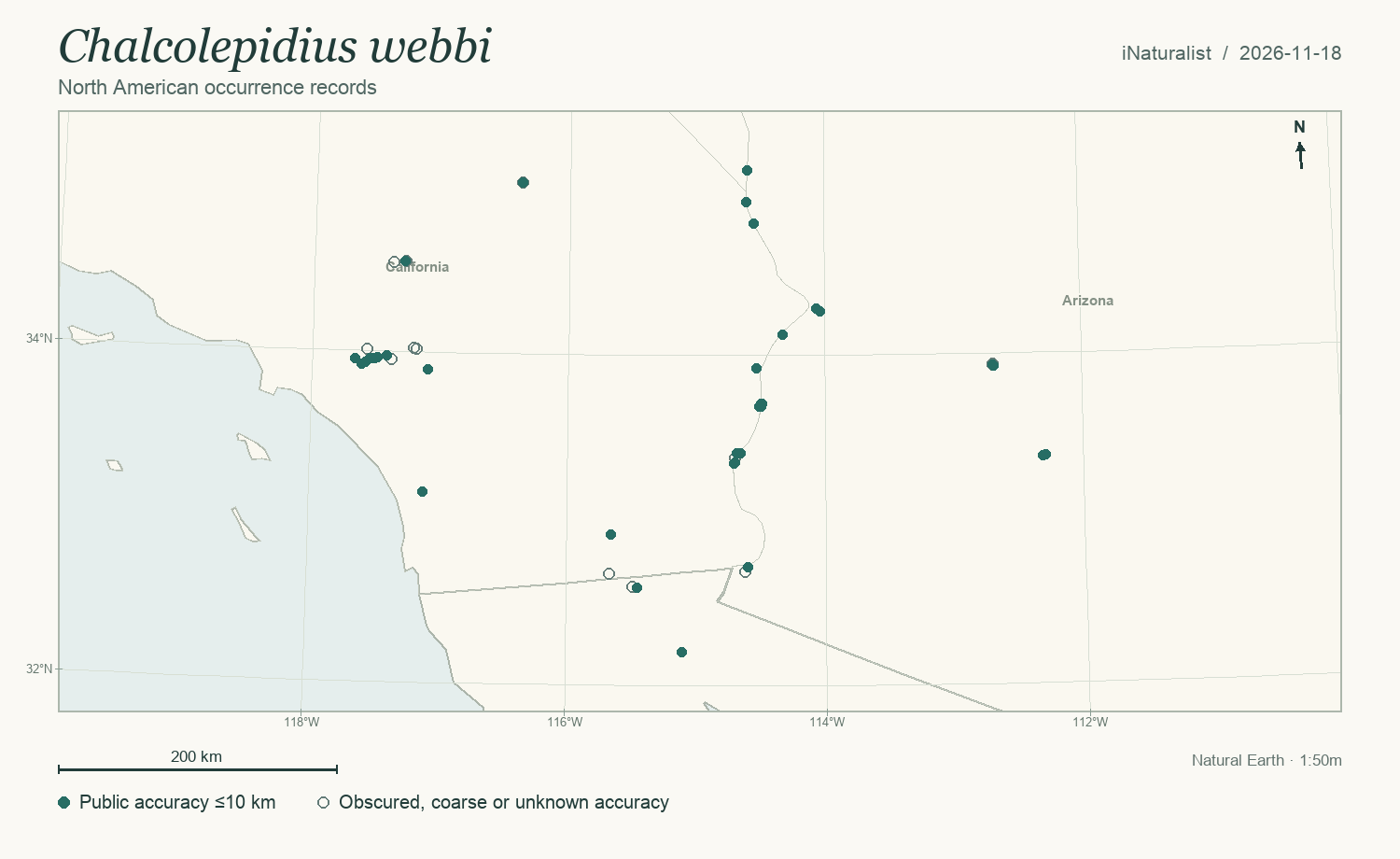
- Range
- California, Arizona and New Mexico, south to Sonora and Durango
- Laying surfaces
- Bark and paper towel
- Early larval care
- Separate the small, cannibalistic larvae
- Egg to adult in my culture
- About one year
Eggs
In my culture, C. webbi females laid on pieces of bark or on paper towel. These were the first surfaces I checked for eggs. The Alaus I was rearing alongside them laid into the substrate. Looking for the eggs in the right place mattered because the young larvae were so small that they became difficult to recover once dispersed.
Larvae
The first two instars of the click beetles I raised were about the size of springtails, and cannibalism was common. I separated the larvae early, despite the work involved in finding and moving them. When recording a brood I distinguish the number of larvae I recover from the number of eggs a female may have laid.
Adults
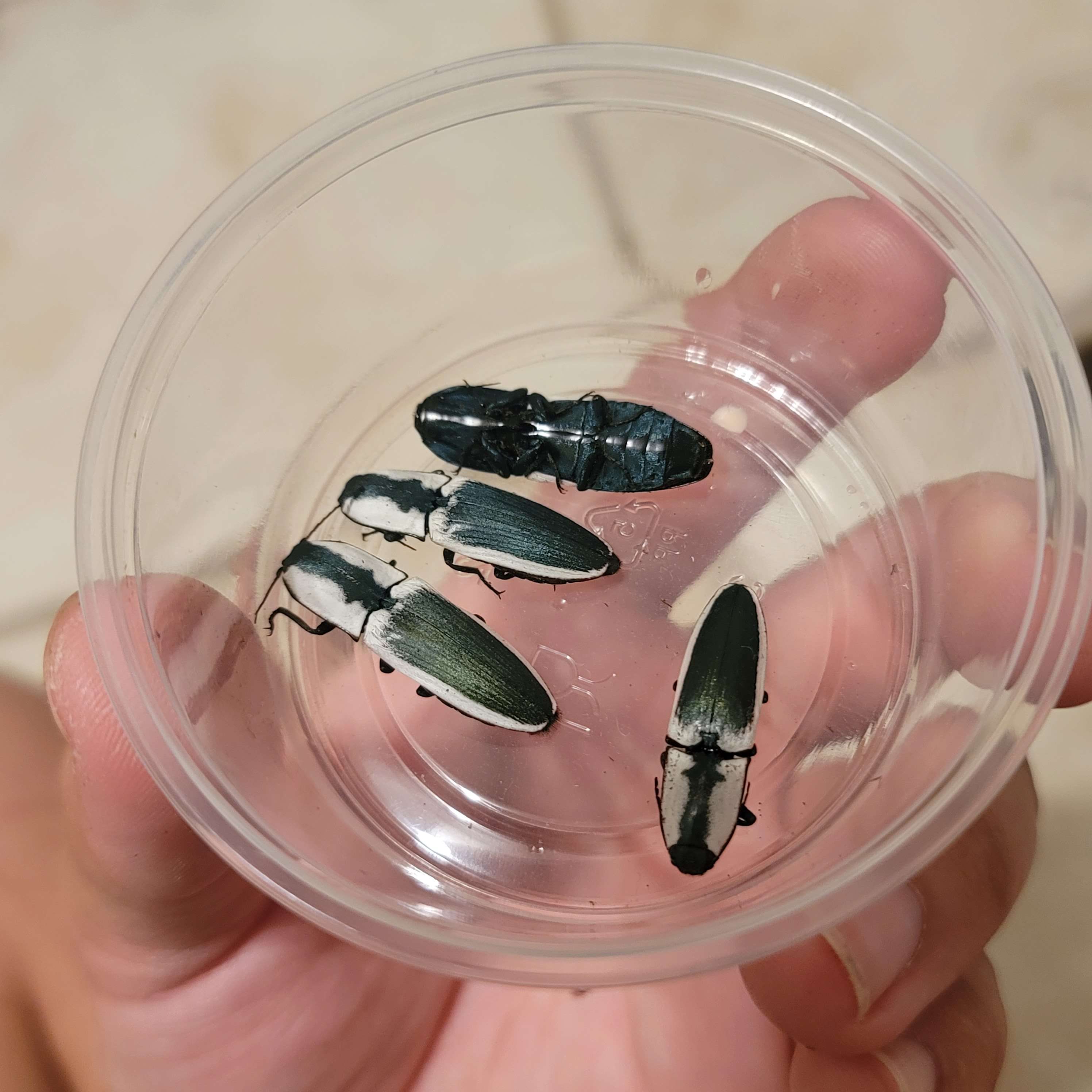
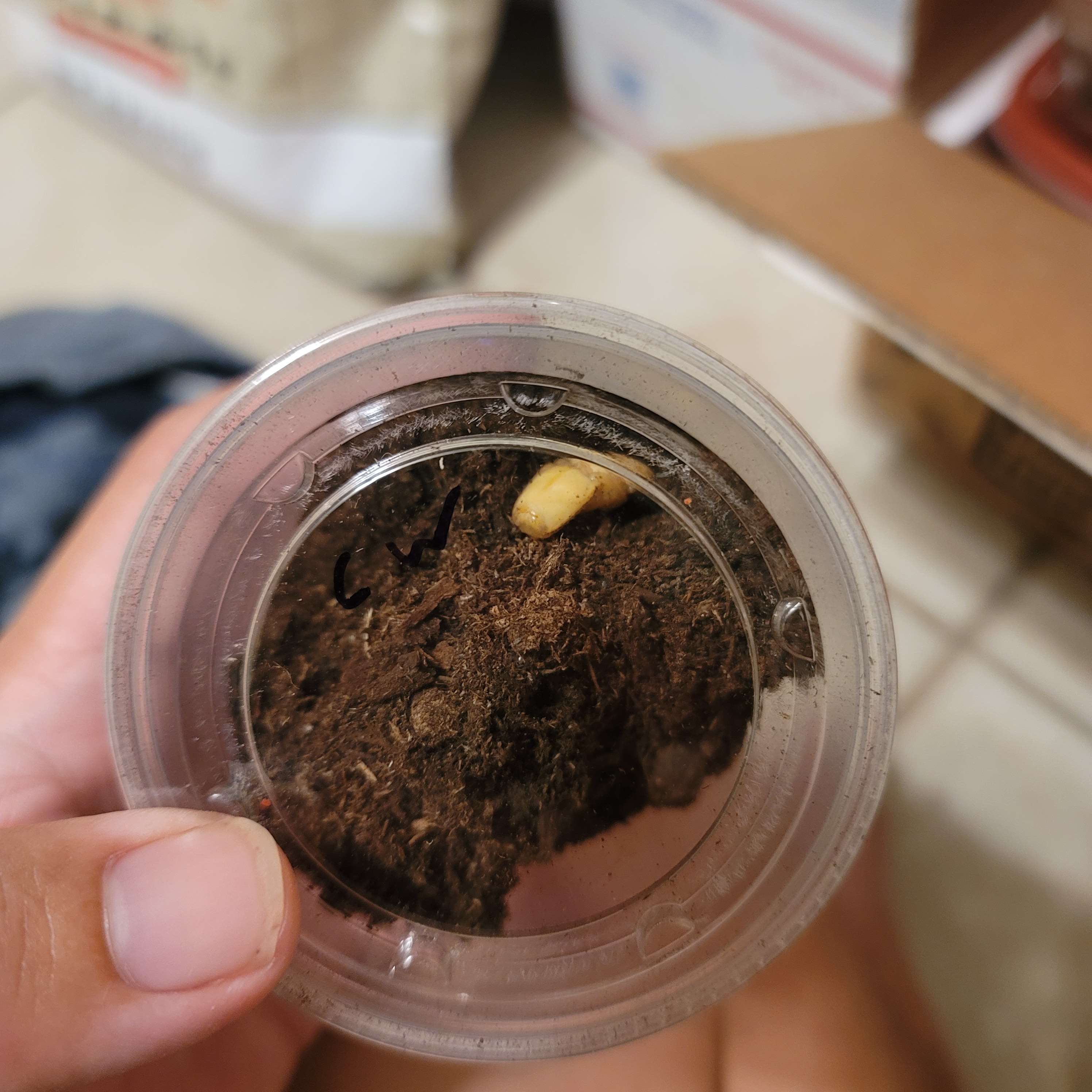
I photographed a developing beetle in its rearing cup in May 2023. By June I could show four adults together, with the white bands standing out clearly against the green. The interval from egg to maturity in my culture was about a year. Published specimens show variation in the width of the pale markings. Some have white scales over much of the pronotum or wing covers.
Photographs
Rearing cell
Distribution records